Welcome to Dubaitowa, the trusted community news website for Dubaitowa. You can now find Dubaitowa on Telegram as @Dubaitowa

Search Suggest

Dubai vs. Global Hotspots: A Yacht Charter Market Comparison

Dubai vs. Global Hotspots: A Yacht Charter Market Comparison

-->

Introduction: Charting a New Course in the Arabian Gulf

Executive Summary

This report provides a comprehensive comparative analysis of the Dubai yacht rental market against established global hotspots: the French Riviera, the Caribbean, and Miami. It argues that Dubai is not merely an emerging competitor but represents a fundamentally different and disruptive market paradigm. This paradigm is characterized by accessibility, short-duration charters, a unique service culture, and a foundation of state-engineered infrastructure and strategic vision. The analysis will deconstruct these differentiators to provide strategic intelligence for industry stakeholders, demonstrating how Dubai has successfully carved out a distinct and complementary niche within the global luxury marine ecosystem.

Report Objectives & Scope

The primary objective of this report is to move beyond a travelogue-style comparison to deliver a deep, data-driven market analysis. It aims to dissect the economic, operational, and cultural factors that distinguish Dubai's yacht charter industry from its global counterparts. The scope of this investigation covers a detailed examination of market pricing models, fleet composition and diversity, typical charter experiences and client motivations, onboard service standards and crew training, the underlying regulatory frameworks, and the future trajectory of each market in the context of global trends like sustainability and technological innovation.

Methodology

The analysis presented herein is based on a synthesis of quantitative and qualitative data derived from a wide range of sources. These include global yacht charter market reports projecting industry growth to USD 15.8 billion by 2035 1, pricing data from major online booking platforms, analyses of charter company fleet offerings, expert commentary from industry professionals, and official government publications outlining strategic economic and tourism initiatives. By triangulating these diverse data streams, this report constructs a holistic and nuanced view of the competitive landscape.

To provide an immediate high-level overview, the following summary matrix outlines the core distinctions between the four key markets analyzed in this report. It establishes the foundational thesis that each market serves a different client with a different product, setting the stage for the detailed analysis that follows.

Introduction: Charting a New Course in the Arabian Gulf  Executive Summary  This report provides a comprehensive comparative analysis of the Dubai yacht rental market against established global hotspots: the French Riviera, the Caribbean, and Miami. It argues that Dubai is not merely an emerging competitor but represents a fundamentally different and disruptive market paradigm. This paradigm is characterized by accessibility, short-duration charters, a unique service culture, and a foundation of state-engineered infrastructure and strategic vision. The analysis will deconstruct these differentiators to provide strategic intelligence for industry stakeholders, demonstrating how Dubai has successfully carved out a distinct and complementary niche within the global luxury marine ecosystem.  Report Objectives & Scope  The primary objective of this report is to move beyond a travelogue-style comparison to deliver a deep, data-driven market analysis. It aims to dissect the economic, operational, and cultural factors that distinguish Dubai's yacht charter industry from its global counterparts. The scope of this investigation covers a detailed examination of market pricing models, fleet composition and diversity, typical charter experiences and client motivations, onboard service standards and crew training, the underlying regulatory frameworks, and the future trajectory of each market in the context of global trends like sustainability and technological innovation.  Methodology  The analysis presented herein is based on a synthesis of quantitative and qualitative data derived from a wide range of sources. These include global yacht charter market reports projecting industry growth to USD 15.8 billion by 2035 1, pricing data from major online booking platforms, analyses of charter company fleet offerings, expert commentary from industry professionals, and official government publications outlining strategic economic and tourism initiatives. By triangulating these diverse data streams, this report constructs a holistic and nuanced view of the competitive landscape.  To provide an immediate high-level overview, the following summary matrix outlines the core distinctions between the four key markets analyzed in this report. It establishes the foundational thesis that each market serves a different client with a different product, setting the stage for the detailed analysis that follows.  Table 1: Comparative Matrix of Global Yachting Hotspots Feature	Dubai	French Riviera	Caribbean	Miami Primary Charter Model	Hourly/Day Charters	Weekly Charters	All-Inclusive Weekly	4-8 Hour Day Charters Dominant Atmosphere	Urban Spectacle & Corporate Luxury	Historic Glamour & "See-and-be-Seen"	Relaxed Adventure & Island Hopping	High-Energy Party & Social Scene Core Client Motivation	Sightseeing, Events, Social Media Content	Culture, Exclusivity, Fine Dining	Exploration, Escape, Water Sports	Celebration, Socializing, Partying Dominant Fleet Type	Versatile Motor Yachts (40-80ft)	Superyachts & Megayachts (>40m)	Sailing Catamarans & Monohulls	Day Cruisers & Party Boats (40-75ft) Pricing Paradigm	Accessible & Volume-Driven	Exclusivity-Driven & High-Barrier	All-Inclusive & Predictable	Dynamic & Event-Priced  Part I: The Dubai Paradigm – A Market Forged in Ambition  The Dubai yacht rental ecosystem represents a masterclass in market creation, engineered through strategic vision and substantial investment. Its operational and economic model diverges significantly from traditional yachting hubs, establishing a unique paradigm that will be deconstructed in this section to provide a baseline for global comparison.  1.1 The Economics of Accessibility: A Disruptive Pricing Model  At the core of Dubai's market differentiation is its revolutionary approach to pricing. A recent analysis by the world's largest boat rental marketplace, Getmyboat, ranked Dubai as the single most affordable yachting destination globally for 2025.2 This is not a marginal difference but a fundamental re-engineering of the cost structure. Typical listings for mid-sized yachts in Dubai fall within the $100–$250 per hour range, with many smaller motorboats available for under $150 per hour.2 Some popular options, including private motor yachts or shared trips, can be found for as little as $88–$110 per hour.2 For context, a 50-60 ft motor yacht in Dubai can cost approximately AED 1,000–2,500 ($275–$680) per hour, while a superyacht over 100 ft might cost upwards of AED 7,000 ($1,900) per hour.3 This stands in stark contrast to the French Riviera, where a superyacht charter is measured in weeks and priced in the hundreds of thousands, or even millions, of dollars.4  This affordability is the direct result of specific market dynamics. The primary driver is a large, dense, and highly competitive local charter market, with a high concentration of locally based boats and operators vying for customers.2 This competition, combined with a business model predicated on high-volume hourly and half-day rentals rather than exclusive weekly bookings, exerts significant downward pressure on average charter costs.2 The market's structure effectively "unbundles" the traditional superyacht experience. Instead of a multi-day, all-encompassing commitment costing upwards of $500,000, a group in Dubai can access the core elements of the luxury lifestyle—a private yacht, an iconic backdrop, and premium service—for a few hundred dollars per person for an afternoon. This strategic democratization of a luxury experience opens the market to a vastly larger demographic that extends beyond the global 0.1% to include upper-middle-class tourists, expatriate residents, and corporate groups. It redefines the target market for yachting, transforming it from an elite form of travel into an accessible leisure activity.  Despite this accessibility, pricing is still influenced by traditional factors. Seasonality plays a key role, with the peak tourist season from November to April commanding higher rates than the hotter, off-peak summer months of May to October.6 Demand naturally spikes during holidays and weekends, which can also elevate prices.6 Furthermore, the size, age, condition, and onboard amenities of the yacht—such as swimming pools, jacuzzis, or state-of-the-art entertainment systems—remain significant price determinants.6 Prospective charterers must also be vigilant about the final cost, as some operators present attractive base rates that exclude mandatory fuel surcharges or docking fees, making it crucial to confirm all-inclusive pricing upfront.2  1.2 A Fleet for Every Function: Versatility as a Core Tenet  The Dubai charter fleet is characterized by its exceptional breadth and functional diversity, meticulously curated to support the market's varied demands. The inventory ranges from small, practical inflatable boats and specialized fishing charters to high-speed powerboats, classic sailboats, stable catamarans, and opulent superyachts exceeding 160 ft.3 This includes unique, high-prestige vessels such as the limited-edition Lamborghini 63 yacht, catering to the most discerning VIP clientele.10  In line with global market trends, where motor yachts account for a dominant share of bookings, Dubai's fleet is heavily skewed towards this category.1 Motor yachts are prized for their speed, stability, and luxurious features, making them perfectly suited for covering Dubai's key sightseeing routes within the compressed timeframes of a typical charter.1 The 24-45 meter yacht category, which represents a leading segment in the global market, aligns perfectly with the popular mid-range offerings in Dubai that cater to groups and events.1  The fleet is clearly segmented by purpose, a direct reflection of the market's function-driven nature. Smaller yachts, such as the 28-foot Mavic 28, are marketed for intimate gatherings of 4-6 people.7 Mid-size vessels in the 50-70 ft range, like the Gib 52 or Gala 62, are staples for corporate events, team-building activities, and larger family parties, accommodating 10-25 guests.3 The upper end of the market features large luxury yachts and superyachts, such as the 110-foot Kona or the 164-foot Sensation, capable of hosting events for 60 to over 100 guests, complete with multiple decks, bars, and premium amenities.8 This functional diversity is a cornerstone of the Dubai model, enabling operators to provide a precisely tailored vessel for any occasion, from a romantic dinner cruise to a large-scale corporate product launch.  1.3 The "Maximum Impact" Charter: An Urban Marine Theatre  The quintessential Dubai yacht charter is fundamentally different in its purpose and structure from the exploratory voyages common in other global hotspots. It is best defined as a short-duration, high-impact event. The typical charter lasts between two and four hours and is intensely focused on sightseeing, social engagement, and capturing memorable moments against the city's spectacular backdrop.2 The experience is explicitly "more social and event-driven and less about covering distance," prioritizing the quality of the immediate experience over the journey itself.14  This focus transforms the charter itinerary into a curated checklist of architectural marvels, viewed from the unique vantage point of the water. Popular routes are meticulously designed to showcase Dubai's iconic landmarks in a compressed timeframe. A standard cruise departing from Dubai Marina or Dubai Harbour will navigate past the towering skyscrapers of Jumeirah Beach Residence (JBR), circle the Bluewaters Island to feature the Ain Dubai observation wheel, pause for photographs in front of the sail-shaped Burj Al Arab, and cruise along the fronds of the Palm Jumeirah toward the majestic Atlantis, The Palm hotel.2 The entire experience is optimized for creating "postcard-worthy photographs" and dramatic visual content, particularly during the "golden hour" of sunset or after dark when the city skyline is illuminated.16  This structure is perfectly optimized for the creation of high-value social media content. Dubai's globally recognized, futuristic skyline provides a unique and instantly identifiable backdrop that signals luxury, success, and modernism. A short, cost-effective charter offers an efficient means to capture a high volume of this desirable content. The yacht, therefore, transitions from being a mode of transport to a mobile, luxurious platform—a floating stage—for this activity. This synergy between the city's hyper-modern aesthetic and the mechanics of the social media economy is a powerful, self-reinforcing driver of demand, appealing directly to a younger, digitally native demographic that prioritizes experiential documentation and views travel through the lens of lifestyle branding.18  A significant and defining segment of the Dubai market is its role as a premier venue for corporate and private events. Charter companies actively cater to this demand, offering yachts capable of hosting everything from team-building exercises and product launches to large-scale client entertainment and wedding receptions for up to 500 guests.7 This strong B2B focus is a key differentiator from more leisure-oriented destinations like the Caribbean.  1.4 Service Culture: The Fusion of Global Standards and Emirati Hospitality  The service culture on Dubai's charter yachts is a distinctive synthesis of established international maritime professionalism and the region's unique brand of extravagant hospitality. Industry experts describe the experience as one where "everything is dialled up a notch," combining the rigorous standards of a Mediterranean charter with "Dubai's own brand of over-the-top hospitality".14 This results in a highly attentive, customizable, and luxurious service environment.  Central to this service philosophy is a profound emphasis on bespoke experiences. Charter companies in Dubai offer an extensive menu of ancillary services and add-ons that allow clients to tailor every aspect of their voyage. Standard offerings include gourmet catering with onboard chefs or live BBQ stations, professional live DJ services, themed decorations and balloons for celebrations, and professional photographers and videographers to capture the event.9 This is often complemented by a wide array of water sports equipment, including jet skis, flyboards, banana boats, and inflatable slides, turning the yacht into a comprehensive entertainment platform.13 Luxury ground transportation, such as limousine services, is also frequently offered to create a seamless door-to-deck experience.9  This high standard of service is underpinned by a robust and well-regulated crew training ecosystem within the UAE. Institutes such as Marine Concept and the Al Bateen Marine Training Institute provide a comprehensive range of courses and internationally recognized certifications, including IYT (International Yacht Training), ISSA (International Sailing Schools Association), and STCW (Standards of Training, Certification and Watchkeeping for Seafarers).25 These programs are approved and overseen by local authorities like the Dubai Maritime Authority (DMA) and the UAE Ministry of Energy and Infrastructure (MOEI), ensuring compliance with both local and international maritime law.25 Specialized courses, such as the 30-day "Professional Yacht Hospitality Course," offer in-depth training on all aspects of interior service, from mixology and food safety to laundry and housekeeping, ensuring that crew members are equipped to deliver a five-star hospitality experience.28  1.5 The Governmental Catalyst: Engineering a Maritime Hub  Dubai's emergence as a global yachting hub is not a product of market happenstance but the direct outcome of a deliberate, top-down governmental strategy. Marine tourism has been identified as a key pillar of the emirate's broader economic diversification plans, embedded within ambitious frameworks like the Dubai Economic Agenda (D33) and the UAE Tourism Strategy 2031.29 These initiatives aim to double the city's GDP by 2033 and establish Dubai as a leading global destination for business and tourism, with a specific goal of transforming the Gulf into the world's premier maritime tourism hub.29  This strategic vision has been actualized through massive, state-driven investment in world-class infrastructure. The centerpiece of this development is Dubai Harbour, the largest and most advanced marina complex in the Middle East.30 This facility alone added over 1,100 berths to the city's capacity, including dedicated slips for the world's largest superyachts, accommodating vessels up to 160 meters in length.33 These marinas are designed not merely as parking spaces for boats but as integrated "maritime leisure hubs," featuring cruise terminals, luxury residences, retail outlets, and fine-dining establishments that create a complete waterfront ecosystem.32  This contrasts sharply with the organic, historical evolution of markets like the French Riviera, whose status grew over a century from a foundation of natural beauty, artistic heritage, and aristocratic patronage.36 Dubai's leadership, in contrast, identified marine tourism as a strategic economic objective and systematically engineered the entire ecosystem to support it. They physically constructed the iconic coastline (e.g., Palm Jumeirah, World Islands), built the world's most advanced marinas, and created favorable business and residency schemes like the 10-year golden visa to attract the target clientele of High-Net-Worth Individuals (HNWIs) and Ultra-High-Net-Worth Individuals (UHNWIs).32  Complementing the physical infrastructure is a supportive and proactive regulatory environment. The Dubai Maritime Authority (DMA) has actively worked to simplify access and streamline operations for both commercial operators and private visitors.38 A key initiative is the launch of a "Visitors' License," which allows holders of recreational marine licenses from any International Maritime Organization (IMO) member state to obtain a local permit through a simplified electronic process.38 This move is explicitly designed to enhance the experience of Dubai's visitors and encourage engagement in marine activities, reinforcing the city's position as a welcoming and well-regulated maritime destination.38 This state-led, "build it and they will come" approach makes the Dubai yachting scene a direct manifestation of national ambition.  Part II: A World Apart – Comparative Analysis of Global Yachting Hotspots  Dubai's unique market characteristics become even more pronounced when juxtaposed with the established yachting capitals of the French Riviera, the Caribbean, and Miami. This section provides a direct, thematic comparison that highlights the fundamental differences in their market offerings, cost structures, and client experiences.  2.1 Market Structure & Cost Dynamics: Accessibility vs. Exclusivity  The core pricing model of a yachting destination is not merely a financial detail; it is the primary factor that shapes the entire identity, clientele, and experience of that location. Each of the four markets operates on a fundamentally different economic basis.      Dubai: The market is structured around a high-volume, accessibility-driven model based on hourly and daily rentals. With a wide spectrum of price points, the experience is made reachable for a broad audience, positioning yachting as a viable leisure activity rather than an exclusive form of travel.2      French Riviera: This market represents the pinnacle of exclusivity, with a high barrier to entry. It is dominated by weekly charters for superyachts and megayachts, with pricing that often starts in the hundreds of thousands of euros per week, operating on a "plus expenses" basis.4 This model inherently selects for an UHNWI clientele seeking bespoke, multi-day immersion in a world of historic glamour. Pricing is also highly seasonal, with peak rates in July and August reflecting intense demand.42      Caribbean: While also offering high-end superyachts on a "plus expenses" basis, the core of the Caribbean market is characterized by the "Caribbean Terms" all-inclusive model. This is especially prevalent for sailing vessels and catamarans and typically bundles the base charter fee with crew services, fuel, standard meals, and beverages, offering clients a degree of budget predictability that is highly attractive to families and groups.45      Miami: Miami operates as a dynamic hybrid market with a strong emphasis on 4-to-8-hour day charters, similar in duration to Dubai.48 However, its pricing structure is often less transparent, with many operators advertising a base rate that excludes mandatory, separately paid fees for the captain and fuel.50 This model caters to a transient, high-energy crowd seeking a brief but intense social experience, with prices fluctuating significantly based on event demand (e.g., holidays, weekends).51  The following table provides a clear, quantitative comparison of the financial commitment and cost structure required in each market, demonstrating the stark differentiation in their economic models.  Table 2: Cost Structure and Pricing Model Analysis Feature	Dubai	French Riviera	Caribbean	Miami Basis of Cost	Hourly / 4-Hour Block	Weekly	Weekly	4-Hour Block Typical Price (50-60ft Motor Yacht)	$1,100 - $2,720 (4 hrs)	$30,000 - $60,000+ / week	$25,000 - $50,000 / week (often inclusive)	$1,500 - $3,500 (4 hrs) + fees Typical Price (80m+ Superyacht)	Event-based hourly rates	$800,000 - $3,000,000+ / week	$600,000 - $2,000,000+ / week	N/A (Primarily day charters) Standard Contract Type	All-Inclusive (for duration)	Plus Expenses (APA)	All-Inclusive or Plus Expenses	Plus Expenses (Captain/Fuel) Advanced Provisioning Allowance (APA)	N/A	Typically 30-40% of base fee	Often Included (Caribbean Terms)	N/A Crew Gratuity	At discretion (10-15% suggested)	10-20% of base fee (expected)	15-20% of base fee (expected)	At discretion (15-20% suggested) Key Cost Drivers	Hourly Rate & Yacht Size	Base Charter Fee & APA	All-Inclusive Package Rate	Captain & Fuel Surcharges  2.2 The Charter Experience & Client Profile: Divergent Motivations  The distinct economic models of each destination naturally attract different client profiles with divergent motivations for chartering a yacht.      Dubai Client: The client base is exceptionally diverse. It includes international tourists focused on capturing iconic photographs of landmarks like the Burj Al Arab, a large expatriate resident population celebrating birthdays and special occasions, and a robust corporate segment.14 This latter group utilizes yachts as exclusive venues for high-stakes networking events, product launches, and client entertainment, a market segment that is highly developed in Dubai.22 The motivation is typically event-specific, time-bound, and centered on creating a high-impact experience.      French Riviera Client: The clientele is predominantly composed of HNWIs, UHNWIs, royalty, and celebrities.36 Their motivation is to immerse themselves in a lifestyle of historic glamour, privacy, and exclusivity. The charter is a platform for accessing Michelin-starred dining, high-end boutique shopping in Cannes or Monaco, and participating in the "see-and-be-seen" social scene of legendary beach clubs like Club 55 in St. Tropez.36      Caribbean Client: This market attracts a broader demographic, with a strong contingent of families and adventure-seeking groups, particularly from North America.45 The primary motivation is escape, relaxation, and engagement with nature. The experience is defined by island hopping, sailing between secluded anchorages, and participating in water-based activities like diving on shipwrecks, snorkeling over coral reefs, and enjoying casual beach bars.56 The demographic is also trending younger, with a significant portion of charter clients now under the age of 45, seeking more adventurous and experiential travel.19      Miami Client: The clientele is characterized by a high-energy, socially-driven, and often younger demographic. Charters are overwhelmingly booked for celebratory purposes, with bachelorette parties, birthdays, and "party boat" events being the dominant use case.51 The motivation is to experience Miami's vibrant, sun-soaked party culture on the water. The social scene often revolves around congregating with other boats at popular spots like the Nixon Sandbar for a day of music, swimming, and socializing.60  2.3 Fleet Composition & Onboard Luxury: Form Follows Function  The physical assets—the yachts themselves—are tailored in each destination to meet the specific demands of the local market. This "form follows function" principle is evident in the dominant vessel types, onboard amenities, and service styles.      Dubai: The fleet is dominated by a diverse range of modern, versatile motor yachts, particularly in the 40-80ft category. These vessels are designed for short sightseeing cruises and entertainment, featuring ample air-conditioned interior space, open decks for viewing, and often the capacity for event-specific add-ons like DJ equipment.3 While large superyachts are available, their primary use is for large-scale corporate or private events rather than traditional week-long private charters.61      French Riviera: This is the global epicenter for the world's largest and most luxurious superyachts and megayachts (vessels over 40 meters). The fleet represents the zenith of naval architecture, interior design, and onboard luxury. The focus is on providing an unparalleled experience for week-long stays, with amenities such as gourmet galleys for Michelin-level chefs, expansive beach clubs, jacuzzis, cinemas, and a full complement of tenders and toys.4      Caribbean: The fleet is defined by sailing vessels, with a strong and growing dominance of catamarans.45 Catamarans are highly favored for their stability, spacious single-level living areas, and shallow draft, which allows them to access the secluded cays and pristine beaches that are inaccessible to deeper-hulled vessels. While the average age of the fleet may be older than in the Med, these yachts are typically heavily equipped with a wide array of water toys—from kayaks and paddleboards to scuba and snorkeling gear—to support an active, water-focused vacation.56      Miami: The market features a large inventory of day cruisers, sport yachts, and dedicated "party boats," typically in the 40-75ft range.48 The design of these boats prioritizes open deck space, large sun pads for lounging, and powerful Bluetooth sound systems. Amenities are geared towards facilitating a party atmosphere, with large coolers, floating water mats, and easy water access being standard features.50 The focus is squarely on social space rather than extensive overnight accommodations.  The following table summarizes how the fleet and service offerings are tailored to meet the distinct demands of each market's primary function.  Table 3: Fleet and Service Focus by Region Feature	Dubai	French Riviera	Caribbean	Miami Dominant Yacht Type	Modern Motor Yachts	Classic & Modern Superyachts	Sailing Catamarans	Sport & Day Cruisers Average Fleet Age	Newer	Mixed (Classic & New)	Varies (Often Older)	Varies (Often Newer) Key Onboard Amenity Focus	Sightseeing Decks, A/C, Event Space	Fine Dining Facilities, Jacuzzis, Beach Clubs	Water Toys, Dive Gear, Trampolines	Sound Systems, Sun Pads, Coolers Crew Service Style	Attentive & Customizable ("Over-the-top")	Discreet, Formal & Traditional	Friendly, Casual & Skilled (Sailing)	Efficient & Fun-Facilitating Primary Onboard Activity	Sightseeing & Corporate Hosting	Gourmet Dining & Relaxation	Sailing & Water Sports	Partying & Socializing  2.4 Regulatory & Operational Landscape: Ease vs. Heritage  The legal and operational environment in each destination reflects its market maturity, national laws, and strategic priorities.      Dubai: The regulatory landscape is modern, pro-growth, and designed to be user-friendly for international visitors. All charters are professionally crewed, meaning guests do not require any form of license to rent a yacht.65 Furthermore, authorities are actively developing regulations to attract foreign vessels and tourists, such as the streamlined process for recognizing international recreational licenses for visitors who wish to operate smaller craft.38 The environment is optimized for commercial efficiency and ease of access.      French Riviera: As a mature and historic yachting destination, the French Riviera operates under a more complex and stringent regulatory framework. There is a strong emphasis on environmental protection, with strict rules governing anchoring in sensitive areas to protect Posidonia seagrass meadows.36 For those wishing to undertake a bareboat charter (renting a yacht without a crew), a formal certification such as the International Certificate of Competence (ICC) or an equivalent national license is mandatory.66      Caribbean: The regulatory environment for bareboat charters is generally more flexible than in the Mediterranean. Many charter companies will accept a detailed sailing resume or CV outlining a skipper's experience on similar-sized vessels in lieu of a formal license.67 However, this is not universal, and requirements can vary between different island nations and individual charter companies. Formal certifications from bodies like the American Sailing Association (ASA) or the Royal Yachting Association (RYA) are increasingly recommended and sometimes required.69      Miami (Florida): Operations are highly regulated under U.S. federal and state law. To operate a yacht charter business, companies must obtain specific commercial licenses from the Florida Division of Consumer Services and comply with strict U.S. Coast Guard (USCG) regulations for "for-hire" vessels.70 This includes requirements for the captain to hold a USCG Merchant Mariner Credential.71 A critical regulation is the "12-passenger rule," which, for most recreational charter vessels that have not undergone a rigorous and expensive Certificate of Inspection (COI) process, limits the number of paying guests to a maximum of 12, regardless of the yacht's physical size.  Part III: Strategic Outlook – The Future Trajectory of Global Yachting  Synthesizing the preceding analysis allows for a forward-looking assessment of Dubai's strategic position within the global yachting industry and the broader trends that will shape the market's future.  3.1 Dubai's Unique Value Proposition: A Complementary Global Hub  The evidence overwhelmingly indicates that Dubai has successfully carved out a distinct and sustainable niche in the global yacht charter market. It does not function as a direct competitor to the French Riviera for the ultra-elite, week-long cultural vacation, nor does it challenge the Caribbean for the immersive, nature-focused sailing adventure. Instead, its value proposition is that of a year-round, accessible, urban maritime playground.  Dubai is positioned as an ideal hub for short-term luxury experiences, a premier global destination for water-based corporate events, and a convenient stopover for superyachts transitioning between the Mediterranean and the cruising grounds of Asia and the Indian Ocean. In this capacity, Dubai's market is largely complementary to, rather than a replacement for, the traditional yachting hubs. It has expanded the overall definition of what a yacht charter can be, attracting a new and broader audience to the market.  3.2 Navigating the Tides of Change: Sustainability and Technology  The global yachting industry is at a technological inflection point, with a significant push towards greater sustainability and advanced digital integration. Key trends include the development of hybrid and fully electric propulsion systems, the integration of solar power, the use of sustainable construction materials, and the adoption of smart technologies like AI-enhanced navigation and IoT-based monitoring systems.74  Dubai is exceptionally well-positioned to become an early adopter and global showcase for these innovations. The city's overarching brand as a "city of the future" and its focus on technological leadership align perfectly with the integration of cutting-edge, sustainable maritime technology.29 Government-led initiatives such as the Dubai Reef project, one of the world's largest marine reef development projects, demonstrate a clear commitment to marine sustainability that can be leveraged as a powerful brand pillar.29  The motivation for adopting these technologies may differ by region, which in turn will affect the pace and nature of their implementation. In heritage destinations like the Caribbean and the French Riviera, the drive for sustainability is often a defensive necessity. Regulations to protect vital natural assets like seagrass beds and coral reefs are about preserving the very environment that attracts clients in the first place.36 The push is driven by conservation. In Dubai, however, sustainability is also a proactive branding opportunity. As a city that has literally built its environment, adopting the latest hydrogen fuel cells or showcasing the newest solar-powered yachts is not about preserving an ancient ecosystem but about reinforcing its image as a hyper-modern, forward-thinking global leader. This dynamic suggests Dubai may leapfrog older destinations in showcasing the most advanced green technologies, using sustainability as a key component of its luxury marketing strategy.  3.3 Strategic Forecast: The Unbundling of Luxury and Future Growth  Dubai's accessible, hourly rental model represents a significant trend in the luxury market: the "unbundling" of the traditional, week-long, all-encompassing superyacht charter. It effectively separates the on-water experience from the associated costs of accommodation, multi-day provisioning, and extended travel, making a slice of the luxury lifestyle available to a much wider audience. This trend of micro-charters and day charters is already gaining traction globally among younger demographics in coastal urban areas like Miami and Barcelona.82  This model has the potential to influence the development of other urban yachting hubs worldwide and dramatically expand the total addressable market by lowering the barriers to entry in terms of both cost and time commitment. For Dubai, future growth opportunities are abundant. These include further developing its dominance in the corporate MICE (Meetings, Incentives, Conferences, and Exhibitions) market on the water, leveraging its status as a global aviation hub to market "stopover" yacht experiences to transit passengers, and cementing its reputation as a leader in "smart" and "green" yachting technology.  However, this growth trajectory is not without potential challenges. The high density of operators that drives affordability could lead to market saturation and damaging price wars, potentially compromising service quality and safety standards. Maintaining a consistent five-star service experience across a high volume of disparate operators will require continued regulatory oversight and robust training standards. Finally, the environmental impact of a high-traffic urban waterway will necessitate a continued and deepening commitment to the sustainable practices and technologies that are poised to define the future of yachting.
Dubai vs. Global Hotspots: A Yacht Charter Market Comparison

Table 1: Comparative Matrix of Global Yachting Hotspots

FeatureDubaiFrench RivieraCaribbeanMiami
Primary Charter ModelHourly/Day ChartersWeekly ChartersAll-Inclusive Weekly4-8 Hour Day Charters
Dominant AtmosphereUrban Spectacle & Corporate LuxuryHistoric Glamour & "See-and-be-Seen"Relaxed Adventure & Island HoppingHigh-Energy Party & Social Scene
Core Client MotivationSightseeing, Events, Social Media ContentCulture, Exclusivity, Fine DiningExploration, Escape, Water SportsCelebration, Socializing, Partying
Dominant Fleet TypeVersatile Motor Yachts (40-80ft)Superyachts & Megayachts (>40m)Sailing Catamarans & MonohullsDay Cruisers & Party Boats (40-75ft)
Pricing ParadigmAccessible & Volume-DrivenExclusivity-Driven & High-BarrierAll-Inclusive & PredictableDynamic & Event-Priced

Part I: The Dubai Paradigm – A Market Forged in Ambition

The Dubai yacht rental ecosystem represents a masterclass in market creation, engineered through strategic vision and substantial investment. Its operational and economic model diverges significantly from traditional yachting hubs, establishing a unique paradigm that will be deconstructed in this section to provide a baseline for global comparison.

1.1 The Economics of Accessibility: A Disruptive Pricing Model

At the core of Dubai's market differentiation is its revolutionary approach to pricing. A recent analysis by the world's largest boat rental marketplace, Getmyboat, ranked Dubai as the single most affordable yachting destination globally for 2025.2 This is not a marginal difference but a fundamental re-engineering of the cost structure. Typical listings for mid-sized yachts in Dubai fall within the $100–$250 per hour range, with many smaller motorboats available for under $150 per hour.2 Some popular options, including private motor yachts or shared trips, can be found for as little as $88–$110 per hour.2 For context, a 50-60 ft motor yacht in Dubai can cost approximately AED 1,000–2,500 ($275–$680) per hour, while a superyacht over 100 ft might cost upwards of AED 7,000 ($1,900) per hour.3 This stands in stark contrast to the French Riviera, where a superyacht charter is measured in weeks and priced in the hundreds of thousands, or even millions, of dollars.4

This affordability is the direct result of specific market dynamics. The primary driver is a large, dense, and highly competitive local charter market, with a high concentration of locally based boats and operators vying for customers.2 This competition, combined with a business model predicated on high-volume hourly and half-day rentals rather than exclusive weekly bookings, exerts significant downward pressure on average charter costs.2 The market's structure effectively "unbundles" the traditional superyacht experience. Instead of a multi-day, all-encompassing commitment costing upwards of $500,000, a group in Dubai can access the core elements of the luxury lifestyle—a private yacht, an iconic backdrop, and premium service—for a few hundred dollars per person for an afternoon. This strategic democratization of a luxury experience opens the market to a vastly larger demographic that extends beyond the global 0.1% to include upper-middle-class tourists, expatriate residents, and corporate groups. It redefines the target market for yachting, transforming it from an elite form of travel into an accessible leisure activity.

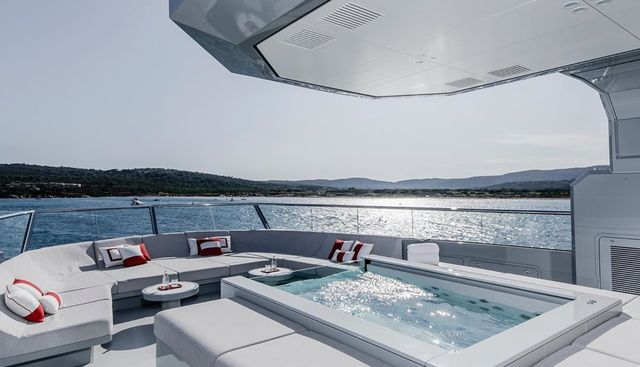
Despite this accessibility, pricing is still influenced by traditional factors. Seasonality plays a key role, with the peak tourist season from November to April commanding higher rates than the hotter, off-peak summer months of May to October.6 Demand naturally spikes during holidays and weekends, which can also elevate prices.6 Furthermore, the size, age, condition, and onboard amenities of the yacht—such as swimming pools, jacuzzis, or state-of-the-art entertainment systems—remain significant price determinants.6 Prospective charterers must also be vigilant about the final cost, as some operators present attractive base rates that exclude mandatory fuel surcharges or docking fees, making it crucial to confirm all-inclusive pricing upfront.2

Introduction: Charting a New Course in the Arabian Gulf  Executive Summary  This report provides a comprehensive comparative analysis of the Dubai yacht rental market against established global hotspots: the French Riviera, the Caribbean, and Miami. It argues that Dubai is not merely an emerging competitor but represents a fundamentally different and disruptive market paradigm. This paradigm is characterized by accessibility, short-duration charters, a unique service culture, and a foundation of state-engineered infrastructure and strategic vision. The analysis will deconstruct these differentiators to provide strategic intelligence for industry stakeholders, demonstrating how Dubai has successfully carved out a distinct and complementary niche within the global luxury marine ecosystem.  Report Objectives & Scope  The primary objective of this report is to move beyond a travelogue-style comparison to deliver a deep, data-driven market analysis. It aims to dissect the economic, operational, and cultural factors that distinguish Dubai's yacht charter industry from its global counterparts. The scope of this investigation covers a detailed examination of market pricing models, fleet composition and diversity, typical charter experiences and client motivations, onboard service standards and crew training, the underlying regulatory frameworks, and the future trajectory of each market in the context of global trends like sustainability and technological innovation.  Methodology  The analysis presented herein is based on a synthesis of quantitative and qualitative data derived from a wide range of sources. These include global yacht charter market reports projecting industry growth to USD 15.8 billion by 2035 1, pricing data from major online booking platforms, analyses of charter company fleet offerings, expert commentary from industry professionals, and official government publications outlining strategic economic and tourism initiatives. By triangulating these diverse data streams, this report constructs a holistic and nuanced view of the competitive landscape.  To provide an immediate high-level overview, the following summary matrix outlines the core distinctions between the four key markets analyzed in this report. It establishes the foundational thesis that each market serves a different client with a different product, setting the stage for the detailed analysis that follows.  Table 1: Comparative Matrix of Global Yachting Hotspots Feature	Dubai	French Riviera	Caribbean	Miami Primary Charter Model	Hourly/Day Charters	Weekly Charters	All-Inclusive Weekly	4-8 Hour Day Charters Dominant Atmosphere	Urban Spectacle & Corporate Luxury	Historic Glamour & "See-and-be-Seen"	Relaxed Adventure & Island Hopping	High-Energy Party & Social Scene Core Client Motivation	Sightseeing, Events, Social Media Content	Culture, Exclusivity, Fine Dining	Exploration, Escape, Water Sports	Celebration, Socializing, Partying Dominant Fleet Type	Versatile Motor Yachts (40-80ft)	Superyachts & Megayachts (>40m)	Sailing Catamarans & Monohulls	Day Cruisers & Party Boats (40-75ft) Pricing Paradigm	Accessible & Volume-Driven	Exclusivity-Driven & High-Barrier	All-Inclusive & Predictable	Dynamic & Event-Priced  Part I: The Dubai Paradigm – A Market Forged in Ambition  The Dubai yacht rental ecosystem represents a masterclass in market creation, engineered through strategic vision and substantial investment. Its operational and economic model diverges significantly from traditional yachting hubs, establishing a unique paradigm that will be deconstructed in this section to provide a baseline for global comparison.  1.1 The Economics of Accessibility: A Disruptive Pricing Model  At the core of Dubai's market differentiation is its revolutionary approach to pricing. A recent analysis by the world's largest boat rental marketplace, Getmyboat, ranked Dubai as the single most affordable yachting destination globally for 2025.2 This is not a marginal difference but a fundamental re-engineering of the cost structure. Typical listings for mid-sized yachts in Dubai fall within the $100–$250 per hour range, with many smaller motorboats available for under $150 per hour.2 Some popular options, including private motor yachts or shared trips, can be found for as little as $88–$110 per hour.2 For context, a 50-60 ft motor yacht in Dubai can cost approximately AED 1,000–2,500 ($275–$680) per hour, while a superyacht over 100 ft might cost upwards of AED 7,000 ($1,900) per hour.3 This stands in stark contrast to the French Riviera, where a superyacht charter is measured in weeks and priced in the hundreds of thousands, or even millions, of dollars.4  This affordability is the direct result of specific market dynamics. The primary driver is a large, dense, and highly competitive local charter market, with a high concentration of locally based boats and operators vying for customers.2 This competition, combined with a business model predicated on high-volume hourly and half-day rentals rather than exclusive weekly bookings, exerts significant downward pressure on average charter costs.2 The market's structure effectively "unbundles" the traditional superyacht experience. Instead of a multi-day, all-encompassing commitment costing upwards of $500,000, a group in Dubai can access the core elements of the luxury lifestyle—a private yacht, an iconic backdrop, and premium service—for a few hundred dollars per person for an afternoon. This strategic democratization of a luxury experience opens the market to a vastly larger demographic that extends beyond the global 0.1% to include upper-middle-class tourists, expatriate residents, and corporate groups. It redefines the target market for yachting, transforming it from an elite form of travel into an accessible leisure activity.  Despite this accessibility, pricing is still influenced by traditional factors. Seasonality plays a key role, with the peak tourist season from November to April commanding higher rates than the hotter, off-peak summer months of May to October.6 Demand naturally spikes during holidays and weekends, which can also elevate prices.6 Furthermore, the size, age, condition, and onboard amenities of the yacht—such as swimming pools, jacuzzis, or state-of-the-art entertainment systems—remain significant price determinants.6 Prospective charterers must also be vigilant about the final cost, as some operators present attractive base rates that exclude mandatory fuel surcharges or docking fees, making it crucial to confirm all-inclusive pricing upfront.2  1.2 A Fleet for Every Function: Versatility as a Core Tenet  The Dubai charter fleet is characterized by its exceptional breadth and functional diversity, meticulously curated to support the market's varied demands. The inventory ranges from small, practical inflatable boats and specialized fishing charters to high-speed powerboats, classic sailboats, stable catamarans, and opulent superyachts exceeding 160 ft.3 This includes unique, high-prestige vessels such as the limited-edition Lamborghini 63 yacht, catering to the most discerning VIP clientele.10  In line with global market trends, where motor yachts account for a dominant share of bookings, Dubai's fleet is heavily skewed towards this category.1 Motor yachts are prized for their speed, stability, and luxurious features, making them perfectly suited for covering Dubai's key sightseeing routes within the compressed timeframes of a typical charter.1 The 24-45 meter yacht category, which represents a leading segment in the global market, aligns perfectly with the popular mid-range offerings in Dubai that cater to groups and events.1  The fleet is clearly segmented by purpose, a direct reflection of the market's function-driven nature. Smaller yachts, such as the 28-foot Mavic 28, are marketed for intimate gatherings of 4-6 people.7 Mid-size vessels in the 50-70 ft range, like the Gib 52 or Gala 62, are staples for corporate events, team-building activities, and larger family parties, accommodating 10-25 guests.3 The upper end of the market features large luxury yachts and superyachts, such as the 110-foot Kona or the 164-foot Sensation, capable of hosting events for 60 to over 100 guests, complete with multiple decks, bars, and premium amenities.8 This functional diversity is a cornerstone of the Dubai model, enabling operators to provide a precisely tailored vessel for any occasion, from a romantic dinner cruise to a large-scale corporate product launch.  1.3 The "Maximum Impact" Charter: An Urban Marine Theatre  The quintessential Dubai yacht charter is fundamentally different in its purpose and structure from the exploratory voyages common in other global hotspots. It is best defined as a short-duration, high-impact event. The typical charter lasts between two and four hours and is intensely focused on sightseeing, social engagement, and capturing memorable moments against the city's spectacular backdrop.2 The experience is explicitly "more social and event-driven and less about covering distance," prioritizing the quality of the immediate experience over the journey itself.14  This focus transforms the charter itinerary into a curated checklist of architectural marvels, viewed from the unique vantage point of the water. Popular routes are meticulously designed to showcase Dubai's iconic landmarks in a compressed timeframe. A standard cruise departing from Dubai Marina or Dubai Harbour will navigate past the towering skyscrapers of Jumeirah Beach Residence (JBR), circle the Bluewaters Island to feature the Ain Dubai observation wheel, pause for photographs in front of the sail-shaped Burj Al Arab, and cruise along the fronds of the Palm Jumeirah toward the majestic Atlantis, The Palm hotel.2 The entire experience is optimized for creating "postcard-worthy photographs" and dramatic visual content, particularly during the "golden hour" of sunset or after dark when the city skyline is illuminated.16  This structure is perfectly optimized for the creation of high-value social media content. Dubai's globally recognized, futuristic skyline provides a unique and instantly identifiable backdrop that signals luxury, success, and modernism. A short, cost-effective charter offers an efficient means to capture a high volume of this desirable content. The yacht, therefore, transitions from being a mode of transport to a mobile, luxurious platform—a floating stage—for this activity. This synergy between the city's hyper-modern aesthetic and the mechanics of the social media economy is a powerful, self-reinforcing driver of demand, appealing directly to a younger, digitally native demographic that prioritizes experiential documentation and views travel through the lens of lifestyle branding.18  A significant and defining segment of the Dubai market is its role as a premier venue for corporate and private events. Charter companies actively cater to this demand, offering yachts capable of hosting everything from team-building exercises and product launches to large-scale client entertainment and wedding receptions for up to 500 guests.7 This strong B2B focus is a key differentiator from more leisure-oriented destinations like the Caribbean.  1.4 Service Culture: The Fusion of Global Standards and Emirati Hospitality  The service culture on Dubai's charter yachts is a distinctive synthesis of established international maritime professionalism and the region's unique brand of extravagant hospitality. Industry experts describe the experience as one where "everything is dialled up a notch," combining the rigorous standards of a Mediterranean charter with "Dubai's own brand of over-the-top hospitality".14 This results in a highly attentive, customizable, and luxurious service environment.  Central to this service philosophy is a profound emphasis on bespoke experiences. Charter companies in Dubai offer an extensive menu of ancillary services and add-ons that allow clients to tailor every aspect of their voyage. Standard offerings include gourmet catering with onboard chefs or live BBQ stations, professional live DJ services, themed decorations and balloons for celebrations, and professional photographers and videographers to capture the event.9 This is often complemented by a wide array of water sports equipment, including jet skis, flyboards, banana boats, and inflatable slides, turning the yacht into a comprehensive entertainment platform.13 Luxury ground transportation, such as limousine services, is also frequently offered to create a seamless door-to-deck experience.9  This high standard of service is underpinned by a robust and well-regulated crew training ecosystem within the UAE. Institutes such as Marine Concept and the Al Bateen Marine Training Institute provide a comprehensive range of courses and internationally recognized certifications, including IYT (International Yacht Training), ISSA (International Sailing Schools Association), and STCW (Standards of Training, Certification and Watchkeeping for Seafarers).25 These programs are approved and overseen by local authorities like the Dubai Maritime Authority (DMA) and the UAE Ministry of Energy and Infrastructure (MOEI), ensuring compliance with both local and international maritime law.25 Specialized courses, such as the 30-day "Professional Yacht Hospitality Course," offer in-depth training on all aspects of interior service, from mixology and food safety to laundry and housekeeping, ensuring that crew members are equipped to deliver a five-star hospitality experience.28  1.5 The Governmental Catalyst: Engineering a Maritime Hub  Dubai's emergence as a global yachting hub is not a product of market happenstance but the direct outcome of a deliberate, top-down governmental strategy. Marine tourism has been identified as a key pillar of the emirate's broader economic diversification plans, embedded within ambitious frameworks like the Dubai Economic Agenda (D33) and the UAE Tourism Strategy 2031.29 These initiatives aim to double the city's GDP by 2033 and establish Dubai as a leading global destination for business and tourism, with a specific goal of transforming the Gulf into the world's premier maritime tourism hub.29  This strategic vision has been actualized through massive, state-driven investment in world-class infrastructure. The centerpiece of this development is Dubai Harbour, the largest and most advanced marina complex in the Middle East.30 This facility alone added over 1,100 berths to the city's capacity, including dedicated slips for the world's largest superyachts, accommodating vessels up to 160 meters in length.33 These marinas are designed not merely as parking spaces for boats but as integrated "maritime leisure hubs," featuring cruise terminals, luxury residences, retail outlets, and fine-dining establishments that create a complete waterfront ecosystem.32  This contrasts sharply with the organic, historical evolution of markets like the French Riviera, whose status grew over a century from a foundation of natural beauty, artistic heritage, and aristocratic patronage.36 Dubai's leadership, in contrast, identified marine tourism as a strategic economic objective and systematically engineered the entire ecosystem to support it. They physically constructed the iconic coastline (e.g., Palm Jumeirah, World Islands), built the world's most advanced marinas, and created favorable business and residency schemes like the 10-year golden visa to attract the target clientele of High-Net-Worth Individuals (HNWIs) and Ultra-High-Net-Worth Individuals (UHNWIs).32  Complementing the physical infrastructure is a supportive and proactive regulatory environment. The Dubai Maritime Authority (DMA) has actively worked to simplify access and streamline operations for both commercial operators and private visitors.38 A key initiative is the launch of a "Visitors' License," which allows holders of recreational marine licenses from any International Maritime Organization (IMO) member state to obtain a local permit through a simplified electronic process.38 This move is explicitly designed to enhance the experience of Dubai's visitors and encourage engagement in marine activities, reinforcing the city's position as a welcoming and well-regulated maritime destination.38 This state-led, "build it and they will come" approach makes the Dubai yachting scene a direct manifestation of national ambition.  Part II: A World Apart – Comparative Analysis of Global Yachting Hotspots  Dubai's unique market characteristics become even more pronounced when juxtaposed with the established yachting capitals of the French Riviera, the Caribbean, and Miami. This section provides a direct, thematic comparison that highlights the fundamental differences in their market offerings, cost structures, and client experiences.  2.1 Market Structure & Cost Dynamics: Accessibility vs. Exclusivity  The core pricing model of a yachting destination is not merely a financial detail; it is the primary factor that shapes the entire identity, clientele, and experience of that location. Each of the four markets operates on a fundamentally different economic basis.      Dubai: The market is structured around a high-volume, accessibility-driven model based on hourly and daily rentals. With a wide spectrum of price points, the experience is made reachable for a broad audience, positioning yachting as a viable leisure activity rather than an exclusive form of travel.2      French Riviera: This market represents the pinnacle of exclusivity, with a high barrier to entry. It is dominated by weekly charters for superyachts and megayachts, with pricing that often starts in the hundreds of thousands of euros per week, operating on a "plus expenses" basis.4 This model inherently selects for an UHNWI clientele seeking bespoke, multi-day immersion in a world of historic glamour. Pricing is also highly seasonal, with peak rates in July and August reflecting intense demand.42      Caribbean: While also offering high-end superyachts on a "plus expenses" basis, the core of the Caribbean market is characterized by the "Caribbean Terms" all-inclusive model. This is especially prevalent for sailing vessels and catamarans and typically bundles the base charter fee with crew services, fuel, standard meals, and beverages, offering clients a degree of budget predictability that is highly attractive to families and groups.45      Miami: Miami operates as a dynamic hybrid market with a strong emphasis on 4-to-8-hour day charters, similar in duration to Dubai.48 However, its pricing structure is often less transparent, with many operators advertising a base rate that excludes mandatory, separately paid fees for the captain and fuel.50 This model caters to a transient, high-energy crowd seeking a brief but intense social experience, with prices fluctuating significantly based on event demand (e.g., holidays, weekends).51  The following table provides a clear, quantitative comparison of the financial commitment and cost structure required in each market, demonstrating the stark differentiation in their economic models.  Table 2: Cost Structure and Pricing Model Analysis Feature	Dubai	French Riviera	Caribbean	Miami Basis of Cost	Hourly / 4-Hour Block	Weekly	Weekly	4-Hour Block Typical Price (50-60ft Motor Yacht)	$1,100 - $2,720 (4 hrs)	$30,000 - $60,000+ / week	$25,000 - $50,000 / week (often inclusive)	$1,500 - $3,500 (4 hrs) + fees Typical Price (80m+ Superyacht)	Event-based hourly rates	$800,000 - $3,000,000+ / week	$600,000 - $2,000,000+ / week	N/A (Primarily day charters) Standard Contract Type	All-Inclusive (for duration)	Plus Expenses (APA)	All-Inclusive or Plus Expenses	Plus Expenses (Captain/Fuel) Advanced Provisioning Allowance (APA)	N/A	Typically 30-40% of base fee	Often Included (Caribbean Terms)	N/A Crew Gratuity	At discretion (10-15% suggested)	10-20% of base fee (expected)	15-20% of base fee (expected)	At discretion (15-20% suggested) Key Cost Drivers	Hourly Rate & Yacht Size	Base Charter Fee & APA	All-Inclusive Package Rate	Captain & Fuel Surcharges  2.2 The Charter Experience & Client Profile: Divergent Motivations  The distinct economic models of each destination naturally attract different client profiles with divergent motivations for chartering a yacht.      Dubai Client: The client base is exceptionally diverse. It includes international tourists focused on capturing iconic photographs of landmarks like the Burj Al Arab, a large expatriate resident population celebrating birthdays and special occasions, and a robust corporate segment.14 This latter group utilizes yachts as exclusive venues for high-stakes networking events, product launches, and client entertainment, a market segment that is highly developed in Dubai.22 The motivation is typically event-specific, time-bound, and centered on creating a high-impact experience.      French Riviera Client: The clientele is predominantly composed of HNWIs, UHNWIs, royalty, and celebrities.36 Their motivation is to immerse themselves in a lifestyle of historic glamour, privacy, and exclusivity. The charter is a platform for accessing Michelin-starred dining, high-end boutique shopping in Cannes or Monaco, and participating in the "see-and-be-seen" social scene of legendary beach clubs like Club 55 in St. Tropez.36      Caribbean Client: This market attracts a broader demographic, with a strong contingent of families and adventure-seeking groups, particularly from North America.45 The primary motivation is escape, relaxation, and engagement with nature. The experience is defined by island hopping, sailing between secluded anchorages, and participating in water-based activities like diving on shipwrecks, snorkeling over coral reefs, and enjoying casual beach bars.56 The demographic is also trending younger, with a significant portion of charter clients now under the age of 45, seeking more adventurous and experiential travel.19      Miami Client: The clientele is characterized by a high-energy, socially-driven, and often younger demographic. Charters are overwhelmingly booked for celebratory purposes, with bachelorette parties, birthdays, and "party boat" events being the dominant use case.51 The motivation is to experience Miami's vibrant, sun-soaked party culture on the water. The social scene often revolves around congregating with other boats at popular spots like the Nixon Sandbar for a day of music, swimming, and socializing.60  2.3 Fleet Composition & Onboard Luxury: Form Follows Function  The physical assets—the yachts themselves—are tailored in each destination to meet the specific demands of the local market. This "form follows function" principle is evident in the dominant vessel types, onboard amenities, and service styles.      Dubai: The fleet is dominated by a diverse range of modern, versatile motor yachts, particularly in the 40-80ft category. These vessels are designed for short sightseeing cruises and entertainment, featuring ample air-conditioned interior space, open decks for viewing, and often the capacity for event-specific add-ons like DJ equipment.3 While large superyachts are available, their primary use is for large-scale corporate or private events rather than traditional week-long private charters.61      French Riviera: This is the global epicenter for the world's largest and most luxurious superyachts and megayachts (vessels over 40 meters). The fleet represents the zenith of naval architecture, interior design, and onboard luxury. The focus is on providing an unparalleled experience for week-long stays, with amenities such as gourmet galleys for Michelin-level chefs, expansive beach clubs, jacuzzis, cinemas, and a full complement of tenders and toys.4      Caribbean: The fleet is defined by sailing vessels, with a strong and growing dominance of catamarans.45 Catamarans are highly favored for their stability, spacious single-level living areas, and shallow draft, which allows them to access the secluded cays and pristine beaches that are inaccessible to deeper-hulled vessels. While the average age of the fleet may be older than in the Med, these yachts are typically heavily equipped with a wide array of water toys—from kayaks and paddleboards to scuba and snorkeling gear—to support an active, water-focused vacation.56      Miami: The market features a large inventory of day cruisers, sport yachts, and dedicated "party boats," typically in the 40-75ft range.48 The design of these boats prioritizes open deck space, large sun pads for lounging, and powerful Bluetooth sound systems. Amenities are geared towards facilitating a party atmosphere, with large coolers, floating water mats, and easy water access being standard features.50 The focus is squarely on social space rather than extensive overnight accommodations.  The following table summarizes how the fleet and service offerings are tailored to meet the distinct demands of each market's primary function.  Table 3: Fleet and Service Focus by Region Feature	Dubai	French Riviera	Caribbean	Miami Dominant Yacht Type	Modern Motor Yachts	Classic & Modern Superyachts	Sailing Catamarans	Sport & Day Cruisers Average Fleet Age	Newer	Mixed (Classic & New)	Varies (Often Older)	Varies (Often Newer) Key Onboard Amenity Focus	Sightseeing Decks, A/C, Event Space	Fine Dining Facilities, Jacuzzis, Beach Clubs	Water Toys, Dive Gear, Trampolines	Sound Systems, Sun Pads, Coolers Crew Service Style	Attentive & Customizable ("Over-the-top")	Discreet, Formal & Traditional	Friendly, Casual & Skilled (Sailing)	Efficient & Fun-Facilitating Primary Onboard Activity	Sightseeing & Corporate Hosting	Gourmet Dining & Relaxation	Sailing & Water Sports	Partying & Socializing  2.4 Regulatory & Operational Landscape: Ease vs. Heritage  The legal and operational environment in each destination reflects its market maturity, national laws, and strategic priorities.      Dubai: The regulatory landscape is modern, pro-growth, and designed to be user-friendly for international visitors. All charters are professionally crewed, meaning guests do not require any form of license to rent a yacht.65 Furthermore, authorities are actively developing regulations to attract foreign vessels and tourists, such as the streamlined process for recognizing international recreational licenses for visitors who wish to operate smaller craft.38 The environment is optimized for commercial efficiency and ease of access.      French Riviera: As a mature and historic yachting destination, the French Riviera operates under a more complex and stringent regulatory framework. There is a strong emphasis on environmental protection, with strict rules governing anchoring in sensitive areas to protect Posidonia seagrass meadows.36 For those wishing to undertake a bareboat charter (renting a yacht without a crew), a formal certification such as the International Certificate of Competence (ICC) or an equivalent national license is mandatory.66      Caribbean: The regulatory environment for bareboat charters is generally more flexible than in the Mediterranean. Many charter companies will accept a detailed sailing resume or CV outlining a skipper's experience on similar-sized vessels in lieu of a formal license.67 However, this is not universal, and requirements can vary between different island nations and individual charter companies. Formal certifications from bodies like the American Sailing Association (ASA) or the Royal Yachting Association (RYA) are increasingly recommended and sometimes required.69      Miami (Florida): Operations are highly regulated under U.S. federal and state law. To operate a yacht charter business, companies must obtain specific commercial licenses from the Florida Division of Consumer Services and comply with strict U.S. Coast Guard (USCG) regulations for "for-hire" vessels.70 This includes requirements for the captain to hold a USCG Merchant Mariner Credential.71 A critical regulation is the "12-passenger rule," which, for most recreational charter vessels that have not undergone a rigorous and expensive Certificate of Inspection (COI) process, limits the number of paying guests to a maximum of 12, regardless of the yacht's physical size.  Part III: Strategic Outlook – The Future Trajectory of Global Yachting  Synthesizing the preceding analysis allows for a forward-looking assessment of Dubai's strategic position within the global yachting industry and the broader trends that will shape the market's future.  3.1 Dubai's Unique Value Proposition: A Complementary Global Hub  The evidence overwhelmingly indicates that Dubai has successfully carved out a distinct and sustainable niche in the global yacht charter market. It does not function as a direct competitor to the French Riviera for the ultra-elite, week-long cultural vacation, nor does it challenge the Caribbean for the immersive, nature-focused sailing adventure. Instead, its value proposition is that of a year-round, accessible, urban maritime playground.  Dubai is positioned as an ideal hub for short-term luxury experiences, a premier global destination for water-based corporate events, and a convenient stopover for superyachts transitioning between the Mediterranean and the cruising grounds of Asia and the Indian Ocean. In this capacity, Dubai's market is largely complementary to, rather than a replacement for, the traditional yachting hubs. It has expanded the overall definition of what a yacht charter can be, attracting a new and broader audience to the market.  3.2 Navigating the Tides of Change: Sustainability and Technology  The global yachting industry is at a technological inflection point, with a significant push towards greater sustainability and advanced digital integration. Key trends include the development of hybrid and fully electric propulsion systems, the integration of solar power, the use of sustainable construction materials, and the adoption of smart technologies like AI-enhanced navigation and IoT-based monitoring systems.74  Dubai is exceptionally well-positioned to become an early adopter and global showcase for these innovations. The city's overarching brand as a "city of the future" and its focus on technological leadership align perfectly with the integration of cutting-edge, sustainable maritime technology.29 Government-led initiatives such as the Dubai Reef project, one of the world's largest marine reef development projects, demonstrate a clear commitment to marine sustainability that can be leveraged as a powerful brand pillar.29  The motivation for adopting these technologies may differ by region, which in turn will affect the pace and nature of their implementation. In heritage destinations like the Caribbean and the French Riviera, the drive for sustainability is often a defensive necessity. Regulations to protect vital natural assets like seagrass beds and coral reefs are about preserving the very environment that attracts clients in the first place.36 The push is driven by conservation. In Dubai, however, sustainability is also a proactive branding opportunity. As a city that has literally built its environment, adopting the latest hydrogen fuel cells or showcasing the newest solar-powered yachts is not about preserving an ancient ecosystem but about reinforcing its image as a hyper-modern, forward-thinking global leader. This dynamic suggests Dubai may leapfrog older destinations in showcasing the most advanced green technologies, using sustainability as a key component of its luxury marketing strategy.  3.3 Strategic Forecast: The Unbundling of Luxury and Future Growth  Dubai's accessible, hourly rental model represents a significant trend in the luxury market: the "unbundling" of the traditional, week-long, all-encompassing superyacht charter. It effectively separates the on-water experience from the associated costs of accommodation, multi-day provisioning, and extended travel, making a slice of the luxury lifestyle available to a much wider audience. This trend of micro-charters and day charters is already gaining traction globally among younger demographics in coastal urban areas like Miami and Barcelona.82  This model has the potential to influence the development of other urban yachting hubs worldwide and dramatically expand the total addressable market by lowering the barriers to entry in terms of both cost and time commitment. For Dubai, future growth opportunities are abundant. These include further developing its dominance in the corporate MICE (Meetings, Incentives, Conferences, and Exhibitions) market on the water, leveraging its status as a global aviation hub to market "stopover" yacht experiences to transit passengers, and cementing its reputation as a leader in "smart" and "green" yachting technology.  However, this growth trajectory is not without potential challenges. The high density of operators that drives affordability could lead to market saturation and damaging price wars, potentially compromising service quality and safety standards. Maintaining a consistent five-star service experience across a high volume of disparate operators will require continued regulatory oversight and robust training standards. Finally, the environmental impact of a highj-traffic urban waterway will necessitate a continued and deepening commitment to the sustainable practices and technologies that are poised to define the future of yachting.
Dubai vs. Global Hotspots: A Yacht Charter Market Comparison

1.2 A Fleet for Every Function: Versatility as a Core Tenet

The Dubai charter fleet is characterized by its exceptional breadth and functional diversity, meticulously curated to support the market's varied demands. The inventory ranges from small, practical inflatable boats and specialized fishing charters to high-speed powerboats, classic sailboats, stable catamarans, and opulent superyachts exceeding 160 ft.3 This includes unique, high-prestige vessels such as the limited-edition Lamborghini 63 yacht, catering to the most discerning VIP clientele.10

In line with global market trends, where motor yachts account for a dominant share of bookings, Dubai's fleet is heavily skewed towards this category.1 Motor yachts are prized for their speed, stability, and luxurious features, making them perfectly suited for covering Dubai's key sightseeing routes within the compressed timeframes of a typical charter.1 The 24-45 meter yacht category, which represents a leading segment in the global market, aligns perfectly with the popular mid-range offerings in Dubai that cater to groups and events.1

The fleet is clearly segmented by purpose, a direct reflection of the market's function-driven nature. Smaller yachts, such as the 28-foot Mavic 28, are marketed for intimate gatherings of 4-6 people.7 Mid-size vessels in the 50-70 ft range, like the Gib 52 or Gala 62, are staples for corporate events, team-building activities, and larger family parties, accommodating 10-25 guests.3 The upper end of the market features large luxury yachts and superyachts, such as the 110-foot Kona or the 164-foot Sensation, capable of hosting events for 60 to over 100 guests, complete with multiple decks, bars, and premium amenities.8 This functional diversity is a cornerstone of the Dubai model, enabling operators to provide a precisely tailored vessel for any occasion, from a romantic dinner cruise to a large-scale corporate product launch.

1.3 The "Maximum Impact" Charter: An Urban Marine Theatre

The quintessential Dubai yacht charter is fundamentally different in its purpose and structure from the exploratory voyages common in other global hotspots. It is best defined as a short-duration, high-impact event. The typical charter lasts between two and four hours and is intensely focused on sightseeing, social engagement, and capturing memorable moments against the city's spectacular backdrop.2 The experience is explicitly "more social and event-driven and less about covering distance," prioritizing the quality of the immediate experience over the journey itself.14

This focus transforms the charter itinerary into a curated checklist of architectural marvels, viewed from the unique vantage point of the water. Popular routes are meticulously designed to showcase Dubai's iconic landmarks in a compressed timeframe. A standard cruise departing from Dubai Marina or Dubai Harbour will navigate past the towering skyscrapers of Jumeirah Beach Residence (JBR), circle the Bluewaters Island to feature the Ain Dubai observation wheel, pause for photographs in front of the sail-shaped Burj Al Arab, and cruise along the fronds of the Palm Jumeirah toward the majestic Atlantis, The Palm hotel.2 The entire experience is optimized for creating "postcard-worthy photographs" and dramatic visual content, particularly during the "golden hour" of sunset or after dark when the city skyline is illuminated.16

This structure is perfectly optimized for the creation of high-value social media content. Dubai's globally recognized, futuristic skyline provides a unique and instantly identifiable backdrop that signals luxury, success, and modernism. A short, cost-effective charter offers an efficient means to capture a high volume of this desirable content. The yacht, therefore, transitions from being a mode of transport to a mobile, luxurious platform—a floating stage—for this activity. This synergy between the city's hyper-modern aesthetic and the mechanics of the social media economy is a powerful, self-reinforcing driver of demand, appealing directly to a younger, digitally native demographic that prioritizes experiential documentation and views travel through the lens of lifestyle branding.18

A significant and defining segment of the Dubai market is its role as a premier venue for corporate and private events. Charter companies actively cater to this demand, offering yachts capable of hosting everything from team-building exercises and product launches to large-scale client entertainment and wedding receptions for up to 500 guests.7 This strong B2B focus is a key differentiator from more leisure-oriented destinations like the Caribbean.

1.4 Service Culture: The Fusion of Global Standards and Emirati Hospitality

The service culture on Dubai's charter yachts is a distinctive synthesis of established international maritime professionalism and the region's unique brand of extravagant hospitality. Industry experts describe the experience as one where "everything is dialled up a notch," combining the rigorous standards of a Mediterranean charter with "Dubai's own brand of over-the-top hospitality".14 This results in a highly attentive, customizable, and luxurious service environment.

Central to this service philosophy is a profound emphasis on bespoke experiences. Charter companies in Dubai offer an extensive menu of ancillary services and add-ons that allow clients to tailor every aspect of their voyage. Standard offerings include gourmet catering with onboard chefs or live BBQ stations, professional live DJ services, themed decorations and balloons for celebrations, and professional photographers and videographers to capture the event.9 This is often complemented by a wide array of water sports equipment, including jet skis, flyboards, banana boats, and inflatable slides, turning the yacht into a comprehensive entertainment platform.13 Luxury ground transportation, such as limousine services, is also frequently offered to create a seamless door-to-deck experience.9

This high standard of service is underpinned by a robust and well-regulated crew training ecosystem within the UAE. Institutes such as Marine Concept and the Al Bateen Marine Training Institute provide a comprehensive range of courses and internationally recognized certifications, including IYT (International Yacht Training), ISSA (International Sailing Schools Association), and STCW (Standards of Training, Certification and Watchkeeping for Seafarers).25 These programs are approved and overseen by local authorities like the Dubai Maritime Authority (DMA) and the UAE Ministry of Energy and Infrastructure (MOEI), ensuring compliance with both local and international maritime law.25 Specialized courses, such as the 30-day "Professional Yacht Hospitality Course," offer in-depth training on all aspects of interior service, from mixology and food safety to laundry and housekeeping, ensuring that crew members are equipped to deliver a five-star hospitality experience.28

1.5 The Governmental Catalyst: Engineering a Maritime Hub

Dubai's emergence as a global yachting hub is not a product of market happenstance but the direct outcome of a deliberate, top-down governmental strategy. Marine tourism has been identified as a key pillar of the emirate's broader economic diversification plans, embedded within ambitious frameworks like the Dubai Economic Agenda (D33) and the UAE Tourism Strategy 2031.29 These initiatives aim to double the city's GDP by 2033 and establish Dubai as a leading global destination for business and tourism, with a specific goal of transforming the Gulf into the world's premier maritime tourism hub.29

This strategic vision has been actualized through massive, state-driven investment in world-class infrastructure. The centerpiece of this development is Dubai Harbour, the largest and most advanced marina complex in the Middle East.30 This facility alone added over 1,100 berths to the city's capacity, including dedicated slips for the world's largest superyachts, accommodating vessels up to 160 meters in length.33 These marinas are designed not merely as parking spaces for boats but as integrated "maritime leisure hubs," featuring cruise terminals, luxury residences, retail outlets, and fine-dining establishments that create a complete waterfront ecosystem.32

This contrasts sharply with the organic, historical evolution of markets like the French Riviera, whose status grew over a century from a foundation of natural beauty, artistic heritage, and aristocratic patronage.36 Dubai's leadership, in contrast, identified marine tourism as a strategic economic objective and systematically engineered the entire ecosystem to support it. They physically constructed the iconic coastline (e.g., Palm Jumeirah, World Islands), built the world's most advanced marinas, and created favorable business and residency schemes like the 10-year golden visa to attract the target clientele of High-Net-Worth Individuals (HNWIs) and Ultra-High-Net-Worth Individuals (UHNWIs).32

Complementing the physical infrastructure is a supportive and proactive regulatory environment. The Dubai Maritime Authority (DMA) has actively worked to simplify access and streamline operations for both commercial operators and private visitors.38 A key initiative is the launch of a "Visitors' License," which allows holders of recreational marine licenses from any International Maritime Organization (IMO) member state to obtain a local permit through a simplified electronic process.38 This move is explicitly designed to enhance the experience of Dubai's visitors and encourage engagement in marine activities, reinforcing the city's position as a welcoming and well-regulated maritime destination.38 This state-led, "build it and they will come" approach makes the Dubai yachting scene a direct manifestation of national ambition.


Part II: A World Apart – Comparative Analysis of Global Yachting Hotspots

Dubai's unique market characteristics become even more pronounced when juxtaposed with the established yachting capitals of the French Riviera, the Caribbean, and Miami. This section provides a direct, thematic comparison that highlights the fundamental differences in their market offerings, cost structures, and client experiences.

Introduction: Charting a New Course in the Arabian Gulf  Executive Summary  This report provides a comprehensive comparative analysis of the Dubai yacht rental market against established global hotspots: the French Riviera, the Caribbean, and Miami. It argues that Dubai is not merely an emerging competitor but represents a fundamentally different and disruptive market paradigm. This paradigm is characterized by accessibility, short-duration charters, a unique service culture, and a foundation of state-engineered infrastructure and strategic vision. The analysis will deconstruct these differentiators to provide strategic intelligence for industry stakeholders, demonstrating how Dubai has successfully carved out a distinct and complementary niche within the global luxury marine ecosystem.  Report Objectives & Scope  The primary objective of this report is to move beyond a travelogue-style comparison to deliver a deep, data-driven market analysis. It aims to dissect the economic, operational, and cultural factors that distinguish Dubai's yacht charter industry from its global counterparts. The scope of this investigation covers a detailed examination of market pricing models, fleet composition and diversity, typical charter experiences and client motivations, onboard service standards and crew training, the underlying regulatory frameworks, and the future trajectory of each market in the context of global trends like sustainability and technological innovation.  Methodology  The analysis presented herein is based on a synthesis of quantitative and qualitative data derived from a wide range of sources. These include global yacht charter market reports projecting industry growth to USD 15.8 billion by 2035 1, pricing data from major online booking platforms, analyses of charter company fleet offerings, expert commentary from industry professionals, and official government publications outlining strategic economic and tourism initiatives. By triangulating these diverse data streams, this report constructs a holistic and nuanced view of the competitive landscape.  To provide an immediate high-level overview, the following summary matrix outlines the core distinctions between the four key markets analyzed in this report. It establishes the foundational thesis that each market serves a different client with a different product, setting the stage for the detailed analysis that follows.  Table 1: Comparative Matrix of Global Yachting Hotspots Feature	Dubai	French Riviera	Caribbean	Miami Primary Charter Model	Hourly/Day Charters	Weekly Charters	All-Inclusive Weekly	4-8 Hour Day Charters Dominant Atmosphere	Urban Spectacle & Corporate Luxury	Historic Glamour & "See-and-be-Seen"	Relaxed Adventure & Island Hopping	High-Energy Party & Social Scene Core Client Motivation	Sightseeing, Events, Social Media Content	Culture, Exclusivity, Fine Dining	Exploration, Escape, Water Sports	Celebration, Socializing, Partying Dominant Fleet Type	Versatile Motor Yachts (40-80ft)	Superyachts & Megayachts (>40m)	Sailing Catamarans & Monohulls	Day Cruisers & Party Boats (40-75ft) Pricing Paradigm	Accessible & Volume-Driven	Exclusivity-Driven & High-Barrier	All-Inclusive & Predictable	Dynamic & Event-Priced  Part I: The Dubai Paradigm – A Market Forged in Ambition  The Dubai yacht rental ecosystem represents a masterclass in market creation, engineered through strategic vision and substantial investment. Its operational and economic model diverges significantly from traditional yachting hubs, establishing a unique paradigm that will be deconstructed in this section to provide a baseline for global comparison.  1.1 The Economics of Accessibility: A Disruptive Pricing Model  At the core of Dubai's market differentiation is its revolutionary approach to pricing. A recent analysis by the world's largest boat rental marketplace, Getmyboat, ranked Dubai as the single most affordable yachting destination globally for 2025.2 This is not a marginal difference but a fundamental re-engineering of the cost structure. Typical listings for mid-sized yachts in Dubai fall within the $100–$250 per hour range, with many smaller motorboats available for under $150 per hour.2 Some popular options, including private motor yachts or shared trips, can be found for as little as $88–$110 per hour.2 For context, a 50-60 ft motor yacht in Dubai can cost approximately AED 1,000–2,500 ($275–$680) per hour, while a superyacht over 100 ft might cost upwards of AED 7,000 ($1,900) per hour.3 This stands in stark contrast to the French Riviera, where a superyacht charter is measured in weeks and priced in the hundreds of thousands, or even millions, of dollars.4  This affordability is the direct result of specific market dynamics. The primary driver is a large, dense, and highly competitive local charter market, with a high concentration of locally based boats and operators vying for customers.2 This competition, combined with a business model predicated on high-volume hourly and half-day rentals rather than exclusive weekly bookings, exerts significant downward pressure on average charter costs.2 The market's structure effectively "unbundles" the traditional superyacht experience. Instead of a multi-day, all-encompassing commitment costing upwards of $500,000, a group in Dubai can access the core elements of the luxury lifestyle—a private yacht, an iconic backdrop, and premium service—for a few hundred dollars per person for an afternoon. This strategic democratization of a luxury experience opens the market to a vastly larger demographic that extends beyond the global 0.1% to include upper-middle-class tourists, expatriate residents, and corporate groups. It redefines the target market for yachting, transforming it from an elite form of travel into an accessible leisure activity.  Despite this accessibility, pricing is still influenced by traditional factors. Seasonality plays a key role, with the peak tourist season from November to April commanding higher rates than the hotter, off-peak summer months of May to October.6 Demand naturally spikes during holidays and weekends, which can also elevate prices.6 Furthermore, the size, age, condition, and onboard amenities of the yacht—such as swimming pools, jacuzzis, or state-of-the-art entertainment systems—remain significant price determinants.6 Prospective charterers must also be vigilant about the final cost, as some operators present attractive base rates that exclude mandatory fuel surcharges or docking fees, making it crucial to confirm all-inclusive pricing upfront.2  1.2 A Fleet for Every Function: Versatility as a Core Tenet  The Dubai charter fleet is characterized by its exceptional breadth and functional diversity, meticulously curated to support the market's varied demands. The inventory ranges from small, practical inflatable boats and specialized fishing charters to high-speed powerboats, classic sailboats, stable catamarans, and opulent superyachts exceeding 160 ft.3 This includes unique, high-prestige vessels such as the limited-edition Lamborghini 63 yacht, catering to the most discerning VIP clientele.10  In line with global market trends, where motor yachts account for a dominant share of bookings, Dubai's fleet is heavily skewed towards this category.1 Motor yachts are prized for their speed, stability, and luxurious features, making them perfectly suited for covering Dubai's key sightseeing routes within the compressed timeframes of a typical charter.1 The 24-45 meter yacht category, which represents a leading segment in the global market, aligns perfectly with the popular mid-range offerings in Dubai that cater to groups and events.1  The fleet is clearly segmented by purpose, a direct reflection of the market's function-driven nature. Smaller yachts, such as the 28-foot Mavic 28, are marketed for intimate gatherings of 4-6 people.7 Mid-size vessels in the 50-70 ft range, like the Gib 52 or Gala 62, are staples for corporate events, team-building activities, and larger family parties, accommodating 10-25 guests.3 The upper end of the market features large luxury yachts and superyachts, such as the 110-foot Kona or the 164-foot Sensation, capable of hosting events for 60 to over 100 guests, complete with multiple decks, bars, and premium amenities.8 This functional diversity is a cornerstone of the Dubai model, enabling operators to provide a precisely tailored vessel for any occasion, from a romantic dinner cruise to a large-scale corporate product launch.  1.3 The "Maximum Impact" Charter: An Urban Marine Theatre  The quintessential Dubai yacht charter is fundamentally different in its purpose and structure from the exploratory voyages common in other global hotspots. It is best defined as a short-duration, high-impact event. The typical charter lasts between two and four hours and is intensely focused on sightseeing, social engagement, and capturing memorable moments against the city's spectacular backdrop.2 The experience is explicitly "more social and event-driven and less about covering distance," prioritizing the quality of the immediate experience over the journey itself.14  This focus transforms the charter itinerary into a curated checklist of architectural marvels, viewed from the unique vantage point of the water. Popular routes are meticulously designed to showcase Dubai's iconic landmarks in a compressed timeframe. A standard cruise departing from Dubai Marina or Dubai Harbour will navigate past the towering skyscrapers of Jumeirah Beach Residence (JBR), circle the Bluewaters Island to feature the Ain Dubai observation wheel, pause for photographs in front of the sail-shaped Burj Al Arab, and cruise along the fronds of the Palm Jumeirah toward the majestic Atlantis, The Palm hotel.2 The entire experience is optimized for creating "postcard-worthy photographs" and dramatic visual content, particularly during the "golden hour" of sunset or after dark when the city skyline is illuminated.16  This structure is perfectly optimized for the creation of high-value social media content. Dubai's globally recognized, futuristic skyline provides a unique and instantly identifiable backdrop that signals luxury, success, and modernism. A short, cost-effective charter offers an efficient means to capture a high volume of this desirable content. The yacht, therefore, transitions from being a mode of transport to a mobile, luxurious platform—a floating stage—for this activity. This synergy between the city's hyper-modern aesthetic and the mechanics of the social media economy is a powerful, self-reinforcing driver of demand, appealing directly to a younger, digitally native demographic that prioritizes experiential documentation and views travel through the lens of lifestyle branding.18  A significant and defining segment of the Dubai market is its role as a premier venue for corporate and private events. Charter companies actively cater to this demand, offering yachts capable of hosting everything from team-building exercises and product launches to large-scale client entertainment and wedding receptions for up to 500 guests.7 This strong B2B focus is a key differentiator from more leisure-oriented destinations like the Caribbean.  1.4 Service Culture: The Fusion of Global Standards and Emirati Hospitality  The service culture on Dubai's charter yachts is a distinctive synthesis of established international maritime professionalism and the region's unique brand of extravagant hospitality. Industry experts describe the experience as one where "everything is dialled up a notch," combining the rigorous standards of a Mediterranean charter with "Dubai's own brand of over-the-top hospitality".14 This results in a highly attentive, customizable, and luxurious service environment.  Central to this service philosophy is a profound emphasis on bespoke experiences. Charter companies in Dubai offer an extensive menu of ancillary services and add-ons that allow clients to tailor every aspect of their voyage. Standard offerings include gourmet catering with onboard chefs or live BBQ stations, professional live DJ services, themed decorations and balloons for celebrations, and professional photographers and videographers to capture the event.9 This is often complemented by a wide array of water sports equipment, including jet skis, flyboards, banana boats, and inflatable slides, turning the yacht into a comprehensive entertainment platform.13 Luxury ground transportation, such as limousine services, is also frequently offered to create a seamless door-to-deck experience.9  This high standard of service is underpinned by a robust and well-regulated crew training ecosystem within the UAE. Institutes such as Marine Concept and the Al Bateen Marine Training Institute provide a comprehensive range of courses and internationally recognized certifications, including IYT (International Yacht Training), ISSA (International Sailing Schools Association), and STCW (Standards of Training, Certification and Watchkeeping for Seafarers).25 These programs are approved and overseen by local authorities like the Dubai Maritime Authority (DMA) and the UAE Ministry of Energy and Infrastructure (MOEI), ensuring compliance with both local and international maritime law.25 Specialized courses, such as the 30-day "Professional Yacht Hospitality Course," offer in-depth training on all aspects of interior service, from mixology and food safety to laundry and housekeeping, ensuring that crew members are equipped to deliver a five-star hospitality experience.28  1.5 The Governmental Catalyst: Engineering a Maritime Hub  Dubai's emergence as a global yachting hub is not a product of market happenstance but the direct outcome of a deliberate, top-down governmental strategy. Marine tourism has been identified as a key pillar of the emirate's broader economic diversification plans, embedded within ambitious frameworks like the Dubai Economic Agenda (D33) and the UAE Tourism Strategy 2031.29 These initiatives aim to double the city's GDP by 2033 and establish Dubai as a leading global destination for business and tourism, with a specific goal of transforming the Gulf into the world's premier maritime tourism hub.29  This strategic vision has been actualized through massive, state-driven investment in world-class infrastructure. The centerpiece of this development is Dubai Harbour, the largest and most advanced marina complex in the Middle East.30 This facility alone added over 1,100 berths to the city's capacity, including dedicated slips for the world's largest superyachts, accommodating vessels up to 160 meters in length.33 These marinas are designed not merely as parking spaces for boats but as integrated "maritime leisure hubs," featuring cruise terminals, luxury residences, retail outlets, and fine-dining establishments that create a complete waterfront ecosystem.32  This contrasts sharply with the organic, historical evolution of markets like the French Riviera, whose status grew over a century from a foundation of natural beauty, artistic heritage, and aristocratic patronage.36 Dubai's leadership, in contrast, identified marine tourism as a strategic economic objective and systematically engineered the entire ecosystem to support it. They physically constructed the iconic coastline (e.g., Palm Jumeirah, World Islands), built the world's most advanced marinas, and created favorable business and residency schemes like the 10-year golden visa to attract the target clientele of High-Net-Worth Individuals (HNWIs) and Ultra-High-Net-Worth Individuals (UHNWIs).32  Complementing the physical infrastructure is a supportive and proactive regulatory environment. The Dubai Maritime Authority (DMA) has actively worked to simplify access and streamline operations for both commercial operators and private visitors.38 A key initiative is the launch of a "Visitors' License," which allows holders of recreational marine licenses from any International Maritime Organization (IMO) member state to obtain a local permit through a simplified electronic process.38 This move is explicitly designed to enhance the experience of Dubai's visitors and encourage engagement in marine activities, reinforcing the city's position as a welcoming and well-regulated maritime destination.38 This state-led, "build it and they will come" approach makes the Dubai yachting scene a direct manifestation of national ambition.  Part II: A World Apart – Comparative Analysis of Global Yachting Hotspots  Dubai's unique market characteristics become even more pronounced when juxtaposed with the established yachting capitals of the French Riviera, the Caribbean, and Miami. This section provides a direct, thematic comparison that highlights the fundamental differences in their market offerings, cost structures, and client experiences.  2.1 Market Structure & Cost Dynamics: Accessibility vs. Exclusivity  The core pricing model of a yachting destination is not merely a financial detail; it is the primary factor that shapes the entire identity, clientele, and experience of that location. Each of the four markets operates on a fundamentally different economic basis.      Dubai: The market is structured around a high-volume, accessibility-driven model based on hourly and daily rentals. With a wide spectrum of price points, the experience is made reachable for a broad audience, positioning yachting as a viable leisure activity rather than an exclusive form of travel.2      French Riviera: This market represents the pinnacle of exclusivity, with a high barrier to entry. It is dominated by weekly charters for superyachts and megayachts, with pricing that often starts in the hundreds of thousands of euros per week, operating on a "plus expenses" basis.4 This model inherently selects for an UHNWI clientele seeking bespoke, multi-day immersion in a world of historic glamour. Pricing is also highly seasonal, with peak rates in July and August reflecting intense demand.42      Caribbean: While also offering high-end superyachts on a "plus expenses" basis, the core of the Caribbean market is characterized by the "Caribbean Terms" all-inclusive model. This is especially prevalent for sailing vessels and catamarans and typically bundles the base charter fee with crew services, fuel, standard meals, and beverages, offering clients a degree of budget predictability that is highly attractive to families and groups.45      Miami: Miami operates as a dynamic hybrid market with a strong emphasis on 4-to-8-hour day charters, similar in duration to Dubai.48 However, its pricing structure is often less transparent, with many operators advertising a base rate that excludes mandatory, separately paid fees for the captain and fuel.50 This model caters to a transient, high-energy crowd seeking a brief but intense social experience, with prices fluctuating significantly based on event demand (e.g., holidays, weekends).51  The following table provides a clear, quantitative comparison of the financial commitment and cost structure required in each market, demonstrating the stark differentiation in their economic models.  Table 2: Cost Structure and Pricing Model Analysis Feature	Dubai	French Riviera	Caribbean	Miami Basis of Cost	Hourly / 4-Hour Block	Weekly	Weekly	4-Hour Block Typical Price (50-60ft Motor Yacht)	$1,100 - $2,720 (4 hrs)	$30,000 - $60,000+ / week	$25,000 - $50,000 / week (often inclusive)	$1,500 - $3,500 (4 hrs) + fees Typical Price (80m+ Superyacht)	Event-based hourly rates	$800,000 - $3,000,000+ / week	$600,000 - $2,000,000+ / week	N/A (Primarily day charters) Standard Contract Type	All-Inclusive (for duration)	Plus Expenses (APA)	All-Inclusive or Plus Expenses	Plus Expenses (Captain/Fuel) Advanced Provisioning Allowance (APA)	N/A	Typically 30-40% of base fee	Often Included (Caribbean Terms)	N/A Crew Gratuity	At discretion (10-15% suggested)	10-20% of base fee (expected)	15-20% of base fee (expected)	At discretion (15-20% suggested) Key Cost Drivers	Hourly Rate & Yacht Size	Base Charter Fee & APA	All-Inclusive Package Rate	Captain & Fuel Surcharges  2.2 The Charter Experience & Client Profile: Divergent Motivations  The distinct economic models of each destination naturally attract different client profiles with divergent motivations for chartering a yacht.      Dubai Client: The client base is exceptionally diverse. It includes international tourists focused on capturing iconic photographs of landmarks like the Burj Al Arab, a large expatriate resident population celebrating birthdays and special occasions, and a robust corporate segment.14 This latter group utilizes yachts as exclusive venues for high-stakes networking events, product launches, and client entertainment, a market segment that is highly developed in Dubai.22 The motivation is typically event-specific, time-bound, and centered on creating a high-impact experience.      French Riviera Client: The clientele is predominantly composed of HNWIs, UHNWIs, royalty, and celebrities.36 Their motivation is to immerse themselves in a lifestyle of historic glamour, privacy, and exclusivity. The charter is a platform for accessing Michelin-starred dining, high-end boutique shopping in Cannes or Monaco, and participating in the "see-and-be-seen" social scene of legendary beach clubs like Club 55 in St. Tropez.36      Caribbean Client: This market attracts a broader demographic, with a strong contingent of families and adventure-seeking groups, particularly from North America.45 The primary motivation is escape, relaxation, and engagement with nature. The experience is defined by island hopping, sailing between secluded anchorages, and participating in water-based activities like diving on shipwrecks, snorkeling over coral reefs, and enjoying casual beach bars.56 The demographic is also trending younger, with a significant portion of charter clients now under the age of 45, seeking more adventurous and experiential travel.19      Miami Client: The clientele is characterized by a high-energy, socially-driven, and often younger demographic. Charters are overwhelmingly booked for celebratory purposes, with bachelorette parties, birthdays, and "party boat" events being the dominant use case.51 The motivation is to experience Miami's vibrant, sun-soaked party culture on the water. The social scene often revolves around congregating with other boats at popular spots like the Nixon Sandbar for a day of music, swimming, and socializing.60  2.3 Fleet Composition & Onboard Luxury: Form Follows Function  The physical assets—the yachts themselves—are tailored in each destination to meet the specific demands of the local market. This "form follows function" principle is evident in the dominant vessel types, onboard amenities, and service styles.      Dubai: The fleet is dominated by a diverse range of modern, versatile motor yachts, particularly in the 40-80ft category. These vessels are designed for short sightseeing cruises and entertainment, featuring ample air-conditioned interior space, open decks for viewing, and often the capacity for event-specific add-ons like DJ equipment.3 While large superyachts are available, their primary use is for large-scale corporate or private events rather than traditional week-long private charters.61      French Riviera: This is the global epicenter for the world's largest and most luxurious superyachts and megayachts (vessels over 40 meters). The fleet represents the zenith of naval architecture, interior design, and onboard luxury. The focus is on providing an unparalleled experience for week-long stays, with amenities such as gourmet galleys for Michelin-level chefs, expansive beach clubs, jacuzzis, cinemas, and a full complement of tenders and toys.4      Caribbean: The fleet is defined by sailing vessels, with a strong and growing dominance of catamarans.45 Catamarans are highly favored for their stability, spacious single-level living areas, and shallow draft, which allows them to access the secluded cays and pristine beaches that are inaccessible to deeper-hulled vessels. While the average age of the fleet may be older than in the Med, these yachts are typically heavily equipped with a wide array of water toys—from kayaks and paddleboards to scuba and snorkeling gear—to support an active, water-focused vacation.56      Miami: The market features a large inventory of day cruisers, sport yachts, and dedicated "party boats," typically in the 40-75ft range.48 The design of these boats prioritizes open deck space, large sun pads for lounging, and powerful Bluetooth sound systems. Amenities are geared towards facilitating a party atmosphere, with large coolers, floating water mats, and easy water access being standard features.50 The focus is squarely on social space rather than extensive overnight accommodations.  The following table summarizes how the fleet and service offerings are tailored to meet the distinct demands of each market's primary function.  Table 3: Fleet and Service Focus by Region Feature	Dubai	French Riviera	Caribbean	Miami Dominant Yacht Type	Modern Motor Yachts	Classic & Modern Superyachts	Sailing Catamarans	Sport & Day Cruisers Average Fleet Age	Newer	Mixed (Classic & New)	Varies (Often Older)	Varies (Often Newer) Key Onboard Amenity Focus	Sightseeing Decks, A/C, Event Space	Fine Dining Facilities, Jacuzzis, Beach Clubs	Water Toys, Dive Gear, Trampolines	Sound Systems, Sun Pads, Coolers Crew Service Style	Attentive & Customizable ("Over-the-top")	Discreet, Formal & Traditional	Friendly, Casual & Skilled (Sailing)	Efficient & Fun-Facilitating Primary Onboard Activity	Sightseeing & Corporate Hosting	Gourmet Dining & Relaxation	Sailing & Water Sports	Partying & Socializing  2.4 Regulatory & Operational Landscape: Ease vs. Heritage  The legal and operational environment in each destination reflects its market maturity, national laws, and strategic priorities.      Dubai: The regulatory landscape is modern, pro-growth, and designed to be user-friendly for international visitors. All charters are professionally crewed, meaning guests do not require any form of license to rent a yacht.65 Furthermore, authorities are actively developing regulations to attract foreign vessels and tourists, such as the streamlined process for recognizing international recreational licenses for visitors who wish to operate smaller craft.38 The environment is optimized for commercial efficiency and ease of access.      French Riviera: As a mature and historic yachting destination, the French Riviera operates under a more complex and stringent regulatory framework. There is a strong emphasis on environmental protection, with strict rules governing anchoring in sensitive areas to protect Posidonia seagrass meadows.36 For those wishing to undertake a bareboat charter (renting a yacht without a crew), a formal certification such as the International Certificate of Competence (ICC) or an equivalent national license is mandatory.66      Caribbean: The regulatory environment for bareboat charters is generally more flexible than in the Mediterranean. Many charter companies will accept a detailed sailing resume or CV outlining a skipper's experience on similar-sized vessels in lieu of a formal license.67 However, this is not universal, and requirements can vary between different island nations and individual charter companies. Formal certifications from bodies like the American Sailing Association (ASA) or the Royal Yachting Association (RYA) are increasingly recommended and sometimes required.69      Miami (Florida): Operations are highly regulated under U.S. federal and state law. To operate a yacht charter business, companies must obtain specific commercial licenses from the Florida Division of Consumer Services and comply with strict U.S. Coast Guard (USCG) regulations for "for-hire" vessels.70 This includes requirements for the captain to hold a USCG Merchant Mariner Credential.71 A critical regulation is the "12-passenger rule," which, for most recreational charter vessels that have not undergone a rigorous and expensive Certificate of Inspection (COI) process, limits the number of paying guests to a maximum of 12, regardless of the yacht's physical size.  Part III: Strategic Outlook – The Future Trajectory of Global Yachting  Synthesizing the preceding analysis allows for a forward-looking assessment of Dubai's strategic position within the global yachting industry and the broader trends that will shape the market's future.  3.1 Dubai's Unique Value Proposition: A Complementary Global Hub  The evidence overwhelmingly indicates that Dubai has successfully carved out a distinct and sustainable niche in the global yacht charter market. It does not function as a direct competitor to the French Riviera for the ultra-elite, week-long cultural vacation, nor does it challenge the Caribbean for the immersive, nature-focused sailing adventure. Instead, its value proposition is that of a year-round, accessible, urban maritime playground.  Dubai is positioned as an ideal hub for short-term luxury experiences, a premier global destination for water-based corporate events, and a convenient stopover for superyachts transitioning between the Mediterranean and the cruising grounds of Asia and the Indian Ocean. In this capacity, Dubai's market is largely complementary to, rather than a replacement for, the traditional yachting hubs. It has expanded the overall definition of what a yacht charter can be, attracting a new and broader audience to the market.  3.2 Navigating the Tides of Change: Sustainability and Technology  The global yachting industry is at a technological inflection point, with a significant push towards greater sustainability and advanced digital integration. Key trends include the development of hybrid and fully electric propulsion systems, the integration of solar power, the use of sustainable construction materials, and the adoption of smart technologies like AI-enhanced navigation and IoT-based monitoring systems.74  Dubai is exceptionally well-positioned to become an early adopter and global showcase for these innovations. The city's overarching brand as a "city of the future" and its focus on technological leadership align perfectly with the integration of cutting-edge, sustainable maritime technology.29 Government-led initiatives such as the Dubai Reef project, one of the world's largest marine reef development projects, demonstrate a clear commitment to marine sustainability that can be leveraged as a powerful brand pillar.29  The motivation for adopting these technologies may differ by region, which in turn will affect the pace and nature of their implementation. In heritage destinations like the Caribbean and the French Riviera, the drive for sustainability is often a defensive necessity. Regulations to protect vital natural assets like seagrass beds and coral reefs are about preserving the very environment that attracts clients in the first place.36 The push is driven by conservation. In Dubai, however, sustainability is also a proactive branding opportunity. As a city that has literally built its environment, adopting the latest hydrogen fuel cells or showcasing the newest solar-powered yachts is not about preserving an ancient ecosystem but about reinforcing its image as a hyper-modern, forward-thinking global leader. This dynamic suggests Dubai may leapfrog older destinations in showcasing the most advanced green technologies, using sustainability as a key component of its luxury marketing strategy.  3.3 Strategic Forecast: The Unbundling of Luxury and Future Growth  Dubai's accessible, hourly rental model represents a significant trend in the luxury market: the "unbundling" of the traditional, week-long, all-encompassing superyacht charter. It effectively separates the on-water experience from the associated costs of accommodation, multi-day provisioning, and extended travel, making a slice of the luxury lifestyle available to a much wider audience. This trend of micro-charters and day charters is already gaining traction globally among younger demographics in coastal urban areas like Miami and Barcelona.82  This model has the potential to influence the development of other urban yachting hubs worldwide and dramatically expand the total addressable market by lowering the barriers to entry in terms of both cost and time commitment. For Dubai, future growth opportunities are abundant. These include further developing its dominance in the corporate MICE (Meetings, Incentives, Conferences, and Exhibitions) market on the water, leveraging its status as a global aviation hub to market "stopover" yacht experiences to transit passengers, and cementing its reputation as a leader in "smart" and "green" yachting technology.  However, this growth trajectory is not without potential challenges. The high density of operators that drives affordability could lead to market saturation and damaging price wars, potentially compromising service quality and safety standards. Maintaining a consistent five-star service experience across a high volume of disparate operators will require continued regulatory oversight and robust training standards. Finally, the environmental impact of a high-traffic urban waterway will necessitate a continued and deepening commitment to the sustainable practices and technologies that are poised to define the future of yachting.
Dubai vs. Global Hotspots: A Yacht Charter Market Comparison

2.1 Market Structure & Cost Dynamics: Accessibility vs. Exclusivity

The core pricing model of a yachting destination is not merely a financial detail; it is the primary factor that shapes the entire identity, clientele, and experience of that location. Each of the four markets operates on a fundamentally different economic basis.

  • Dubai: The market is structured around a high-volume, accessibility-driven model based on hourly and daily rentals. With a wide spectrum of price points, the experience is made reachable for a broad audience, positioning yachting as a viable leisure activity rather than an exclusive form of travel.2

  • French Riviera: This market represents the pinnacle of exclusivity, with a high barrier to entry. It is dominated by weekly charters for superyachts and megayachts, with pricing that often starts in the hundreds of thousands of euros per week, operating on a "plus expenses" basis.4 This model inherently selects for an UHNWI clientele seeking bespoke, multi-day immersion in a world of historic glamour. Pricing is also highly seasonal, with peak rates in July and August reflecting intense demand.42

  • Caribbean: While also offering high-end superyachts on a "plus expenses" basis, the core of the Caribbean market is characterized by the "Caribbean Terms" all-inclusive model. This is especially prevalent for sailing vessels and catamarans and typically bundles the base charter fee with crew services, fuel, standard meals, and beverages, offering clients a degree of budget predictability that is highly attractive to families and groups.45

  • Miami: Miami operates as a dynamic hybrid market with a strong emphasis on 4-to-8-hour day charters, similar in duration to Dubai.48 However, its pricing structure is often less transparent, with many operators advertising a base rate that excludes mandatory, separately paid fees for the captain and fuel.50 This model caters to a transient, high-energy crowd seeking a brief but intense social experience, with prices fluctuating significantly based on event demand (e.g., holidays, weekends).51

The following table provides a clear, quantitative comparison of the financial commitment and cost structure required in each market, demonstrating the stark differentiation in their economic models.

Table 2: Cost Structure and Pricing Model Analysis

FeatureDubaiFrench RivieraCaribbeanMiami
Basis of CostHourly / 4-Hour BlockWeeklyWeekly4-Hour Block
Typical Price (50-60ft Motor Yacht)$1,100 - $2,720 (4 hrs)$30,000 - $60,000+ / week$25,000 - $50,000 / week (often inclusive)$1,500 - $3,500 (4 hrs) + fees
Typical Price (80m+ Superyacht)Event-based hourly rates$800,000 - $3,000,000+ / week$600,000 - $2,000,000+ / weekN/A (Primarily day charters)
Standard Contract TypeAll-Inclusive (for duration)Plus Expenses (APA)All-Inclusive or Plus ExpensesPlus Expenses (Captain/Fuel)
Advanced Provisioning Allowance (APA)N/ATypically 30-40% of base feeOften Included (Caribbean Terms)N/A
Crew GratuityAt discretion (10-15% suggested)10-20% of base fee (expected)15-20% of base fee (expected)At discretion (15-20% suggested)
Key Cost DriversHourly Rate & Yacht SizeBase Charter Fee & APAAll-Inclusive Package RateCaptain & Fuel Surcharges

2.2 The Charter Experience & Client Profile: Divergent Motivations

The distinct economic models of each destination naturally attract different client profiles with divergent motivations for chartering a yacht.

  • Dubai Client: The client base is exceptionally diverse. It includes international tourists focused on capturing iconic photographs of landmarks like the Burj Al Arab, a large expatriate resident population celebrating birthdays and special occasions, and a robust corporate segment.14 This latter group utilizes yachts as exclusive venues for high-stakes networking events, product launches, and client entertainment, a market segment that is highly developed in Dubai.22 The motivation is typically event-specific, time-bound, and centered on creating a high-impact experience.

  • French Riviera Client: The clientele is predominantly composed of HNWIs, UHNWIs, royalty, and celebrities.36 Their motivation is to immerse themselves in a lifestyle of historic glamour, privacy, and exclusivity. The charter is a platform for accessing Michelin-starred dining, high-end boutique shopping in Cannes or Monaco, and participating in the "see-and-be-seen" social scene of legendary beach clubs like Club 55 in St. Tropez.36

  • Caribbean Client: This market attracts a broader demographic, with a strong contingent of families and adventure-seeking groups, particularly from North America.45 The primary motivation is escape, relaxation, and engagement with nature. The experience is defined by island hopping, sailing between secluded anchorages, and participating in water-based activities like diving on shipwrecks, snorkeling over coral reefs, and enjoying casual beach bars.56 The demographic is also trending younger, with a significant portion of charter clients now under the age of 45, seeking more adventurous and experiential travel.19

  • Miami Client: The clientele is characterized by a high-energy, socially-driven, and often younger demographic. Charters are overwhelmingly booked for celebratory purposes, with bachelorette parties, birthdays, and "party boat" events being the dominant use case.51 The motivation is to experience Miami's vibrant, sun-soaked party culture on the water. The social scene often revolves around congregating with other boats at popular spots like the Nixon Sandbar for a day of music, swimming, and socializing.60

2.3 Fleet Composition & Onboard Luxury: Form Follows Function

The physical assets—the yachts themselves—are tailored in each destination to meet the specific demands of the local market. This "form follows function" principle is evident in the dominant vessel types, onboard amenities, and service styles.

  • Dubai: The fleet is dominated by a diverse range of modern, versatile motor yachts, particularly in the 40-80ft category. These vessels are designed for short sightseeing cruises and entertainment, featuring ample air-conditioned interior space, open decks for viewing, and often the capacity for event-specific add-ons like DJ equipment.3 While large superyachts are available, their primary use is for large-scale corporate or private events rather than traditional week-long private charters.61

  • French Riviera: This is the global epicenter for the world's largest and most luxurious superyachts and megayachts (vessels over 40 meters). The fleet represents the zenith of naval architecture, interior design, and onboard luxury. The focus is on providing an unparalleled experience for week-long stays, with amenities such as gourmet galleys for Michelin-level chefs, expansive beach clubs, jacuzzis, cinemas, and a full complement of tenders and toys.4

  • Caribbean: The fleet is defined by sailing vessels, with a strong and growing dominance of catamarans.45 Catamarans are highly favored for their stability, spacious single-level living areas, and shallow draft, which allows them to access the secluded cays and pristine beaches that are inaccessible to deeper-hulled vessels. While the average age of the fleet may be older than in the Med, these yachts are typically heavily equipped with a wide array of water toys—from kayaks and paddleboards to scuba and snorkeling gear—to support an active, water-focused vacation.56

  • Miami: The market features a large inventory of day cruisers, sport yachts, and dedicated "party boats," typically in the 40-75ft range.48 The design of these boats prioritizes open deck space, large sun pads for lounging, and powerful Bluetooth sound systems. Amenities are geared towards facilitating a party atmosphere, with large coolers, floating water mats, and easy water access being standard features.50 The focus is squarely on social space rather than extensive overnight accommodations.

    Introduction: Charting a New Course in the Arabian Gulf  Executive Summary  This report provides a comprehensive comparative analysis of the Dubai yacht rental market against established global hotspots: the French Riviera, the Caribbean, and Miami. It argues that Dubai is not merely an emerging competitor but represents a fundamentally different and disruptive market paradigm. This paradigm is characterized by accessibility, short-duration charters, a unique service culture, and a foundation of state-engineered infrastructure and strategic vision. The analysis will deconstruct these differentiators to provide strategic intelligence for industry stakeholders, demonstrating how Dubai has successfully carved out a distinct and complementary niche within the global luxury marine ecosystem.  Report Objectives & Scope  The primary objective of this report is to move beyond a travelogue-style comparison to deliver a deep, data-driven market analysis. It aims to dissect the economic, operational, and cultural factors that distinguish Dubai's yacht charter industry from its global counterparts. The scope of this investigation covers a detailed examination of market pricing models, fleet composition and diversity, typical charter experiences and client motivations, onboard service standards and crew training, the underlying regulatory frameworks, and the future trajectory of each market in the context of global trends like sustainability and technological innovation.  Methodology  The analysis presented herein is based on a synthesis of quantitative and qualitative data derived from a wide range of sources. These include global yacht charter market reports projecting industry growth to USD 15.8 billion by 2035 1, pricing data from major online booking platforms, analyses of charter company fleet offerings, expert commentary from industry professionals, and official government publications outlining strategic economic and tourism initiatives. By triangulating these diverse data streams, this report constructs a holistic and nuanced view of the competitive landscape.  To provide an immediate high-level overview, the following summary matrix outlines the core distinctions between the four key markets analyzed in this report. It establishes the foundational thesis that each market serves a different client with a different product, setting the stage for the detailed analysis that follows.  Table 1: Comparative Matrix of Global Yachting Hotspots Feature	Dubai	French Riviera	Caribbean	Miami Primary Charter Model	Hourly/Day Charters	Weekly Charters	All-Inclusive Weekly	4-8 Hour Day Charters Dominant Atmosphere	Urban Spectacle & Corporate Luxury	Historic Glamour & "See-and-be-Seen"	Relaxed Adventure & Island Hopping	High-Energy Party & Social Scene Core Client Motivation	Sightseeing, Events, Social Media Content	Culture, Exclusivity, Fine Dining	Exploration, Escape, Water Sports	Celebration, Socializing, Partying Dominant Fleet Type	Versatile Motor Yachts (40-80ft)	Superyachts & Megayachts (>40m)	Sailing Catamarans & Monohulls	Day Cruisers & Party Boats (40-75ft) Pricing Paradigm	Accessible & Volume-Driven	Exclusivity-Driven & High-Barrier	All-Inclusive & Predictable	Dynamic & Event-Priced  Part I: The Dubai Paradigm – A Market Forged in Ambition  The Dubai yacht rental ecosystem represents a masterclass in market creation, engineered through strategic vision and substantial investment. Its operational and economic model diverges significantly from traditional yachting hubs, establishing a unique paradigm that will be deconstructed in this section to provide a baseline for global comparison.  1.1 The Economics of Accessibility: A Disruptive Pricing Model  At the core of Dubai's market differentiation is its revolutionary approach to pricing. A recent analysis by the world's largest boat rental marketplace, Getmyboat, ranked Dubai as the single most affordable yachting destination globally for 2025.2 This is not a marginal difference but a fundamental re-engineering of the cost structure. Typical listings for mid-sized yachts in Dubai fall within the $100–$250 per hour range, with many smaller motorboats available for under $150 per hour.2 Some popular options, including private motor yachts or shared trips, can be found for as little as $88–$110 per hour.2 For context, a 50-60 ft motor yacht in Dubai can cost approximately AED 1,000–2,500 ($275–$680) per hour, while a superyacht over 100 ft might cost upwards of AED 7,000 ($1,900) per hour.3 This stands in stark contrast to the French Riviera, where a superyacht charter is measured in weeks and priced in the hundreds of thousands, or even millions, of dollars.4  This affordability is the direct result of specific market dynamics. The primary driver is a large, dense, and highly competitive local charter market, with a high concentration of locally based boats and operators vying for customers.2 This competition, combined with a business model predicated on high-volume hourly and half-day rentals rather than exclusive weekly bookings, exerts significant downward pressure on average charter costs.2 The market's structure effectively "unbundles" the traditional superyacht experience. Instead of a multi-day, all-encompassing commitment costing upwards of $500,000, a group in Dubai can access the core elements of the luxury lifestyle—a private yacht, an iconic backdrop, and premium service—for a few hundred dollars per person for an afternoon. This strategic democratization of a luxury experience opens the market to a vastly larger demographic that extends beyond the global 0.1% to include upper-middle-class tourists, expatriate residents, and corporate groups. It redefines the target market for yachting, transforming it from an elite form of travel into an accessible leisure activity.  Despite this accessibility, pricing is still influenced by traditional factors. Seasonality plays a key role, with the peak tourist season from November to April commanding higher rates than the hotter, off-peak summer months of May to October.6 Demand naturally spikes during holidays and weekends, which can also elevate prices.6 Furthermore, the size, age, condition, and onboard amenities of the yacht—such as swimming pools, jacuzzis, or state-of-the-art entertainment systems—remain significant price determinants.6 Prospective charterers must also be vigilant about the final cost, as some operators present attractive base rates that exclude mandatory fuel surcharges or docking fees, making it crucial to confirm all-inclusive pricing upfront.2  1.2 A Fleet for Every Function: Versatility as a Core Tenet  The Dubai charter fleet is characterized by its exceptional breadth and functional diversity, meticulously curated to support the market's varied demands. The inventory ranges from small, practical inflatable boats and specialized fishing charters to high-speed powerboats, classic sailboats, stable catamarans, and opulent superyachts exceeding 160 ft.3 This includes unique, high-prestige vessels such as the limited-edition Lamborghini 63 yacht, catering to the most discerning VIP clientele.10  In line with global market trends, where motor yachts account for a dominant share of bookings, Dubai's fleet is heavily skewed towards this category.1 Motor yachts are prized for their speed, stability, and luxurious features, making them perfectly suited for covering Dubai's key sightseeing routes within the compressed timeframes of a typical charter.1 The 24-45 meter yacht category, which represents a leading segment in the global market, aligns perfectly with the popular mid-range offerings in Dubai that cater to groups and events.1  The fleet is clearly segmented by purpose, a direct reflection of the market's function-driven nature. Smaller yachts, such as the 28-foot Mavic 28, are marketed for intimate gatherings of 4-6 people.7 Mid-size vessels in the 50-70 ft range, like the Gib 52 or Gala 62, are staples for corporate events, team-building activities, and larger family parties, accommodating 10-25 guests.3 The upper end of the market features large luxury yachts and superyachts, such as the 110-foot Kona or the 164-foot Sensation, capable of hosting events for 60 to over 100 guests, complete with multiple decks, bars, and premium amenities.8 This functional diversity is a cornerstone of the Dubai model, enabling operators to provide a precisely tailored vessel for any occasion, from a romantic dinner cruise to a large-scale corporate product launch.  1.3 The "Maximum Impact" Charter: An Urban Marine Theatre  The quintessential Dubai yacht charter is fundamentally different in its purpose and structure from the exploratory voyages common in other global hotspots. It is best defined as a short-duration, high-impact event. The typical charter lasts between two and four hours and is intensely focused on sightseeing, social engagement, and capturing memorable moments against the city's spectacular backdrop.2 The experience is explicitly "more social and event-driven and less about covering distance," prioritizing the quality of the immediate experience over the journey itself.14  This focus transforms the charter itinerary into a curated checklist of architectural marvels, viewed from the unique vantage point of the water. Popular routes are meticulously designed to showcase Dubai's iconic landmarks in a compressed timeframe. A standard cruise departing from Dubai Marina or Dubai Harbour will navigate past the towering skyscrapers of Jumeirah Beach Residence (JBR), circle the Bluewaters Island to feature the Ain Dubai observation wheel, pause for photographs in front of the sail-shaped Burj Al Arab, and cruise along the fronds of the Palm Jumeirah toward the majestic Atlantis, The Palm hotel.2 The entire experience is optimized for creating "postcard-worthy photographs" and dramatic visual content, particularly during the "golden hour" of sunset or after dark when the city skyline is illuminated.16  This structure is perfectly optimized for the creation of high-value social media content. Dubai's globally recognized, futuristic skyline provides a unique and instantly identifiable backdrop that signals luxury, success, and modernism. A short, cost-effective charter offers an efficient means to capture a high volume of this desirable content. The yacht, therefore, transitions from being a mode of transport to a mobile, luxurious platform—a floating stage—for this activity. This synergy between the city's hyper-modern aesthetic and the mechanics of the social media economy is a powerful, self-reinforcing driver of demand, appealing directly to a younger, digitally native demographic that prioritizes experiential documentation and views travel through the lens of lifestyle branding.18  A significant and defining segment of the Dubai market is its role as a premier venue for corporate and private events. Charter companies actively cater to this demand, offering yachts capable of hosting everything from team-building exercises and product launches to large-scale client entertainment and wedding receptions for up to 500 guests.7 This strong B2B focus is a key differentiator from more leisure-oriented destinations like the Caribbean.  1.4 Service Culture: The Fusion of Global Standards and Emirati Hospitality  The service culture on Dubai's charter yachts is a distinctive synthesis of established international maritime professionalism and the region's unique brand of extravagant hospitality. Industry experts describe the experience as one where "everything is dialled up a notch," combining the rigorous standards of a Mediterranean charter with "Dubai's own brand of over-the-top hospitality".14 This results in a highly attentive, customizable, and luxurious service environment.  Central to this service philosophy is a profound emphasis on bespoke experiences. Charter companies in Dubai offer an extensive menu of ancillary services and add-ons that allow clients to tailor every aspect of their voyage. Standard offerings include gourmet catering with onboard chefs or live BBQ stations, professional live DJ services, themed decorations and balloons for celebrations, and professional photographers and videographers to capture the event.9 This is often complemented by a wide array of water sports equipment, including jet skis, flyboards, banana boats, and inflatable slides, turning the yacht into a comprehensive entertainment platform.13 Luxury ground transportation, such as limousine services, is also frequently offered to create a seamless door-to-deck experience.9  This high standard of service is underpinned by a robust and well-regulated crew training ecosystem within the UAE. Institutes such as Marine Concept and the Al Bateen Marine Training Institute provide a comprehensive range of courses and internationally recognized certifications, including IYT (International Yacht Training), ISSA (International Sailing Schools Association), and STCW (Standards of Training, Certification and Watchkeeping for Seafarers).25 These programs are approved and overseen by local authorities like the Dubai Maritime Authority (DMA) and the UAE Ministry of Energy and Infrastructure (MOEI), ensuring compliance with both local and international maritime law.25 Specialized courses, such as the 30-day "Professional Yacht Hospitality Course," offer in-depth training on all aspects of interior service, from mixology and food safety to laundry and housekeeping, ensuring that crew members are equipped to deliver a five-star hospitality experience.28  1.5 The Governmental Catalyst: Engineering a Maritime Hub  Dubai's emergence as a global yachting hub is not a product of market happenstance but the direct outcome of a deliberate, top-down governmental strategy. Marine tourism has been identified as a key pillar of the emirate's broader economic diversification plans, embedded within ambitious frameworks like the Dubai Economic Agenda (D33) and the UAE Tourism Strategy 2031.29 These initiatives aim to double the city's GDP by 2033 and establish Dubai as a leading global destination for business and tourism, with a specific goal of transforming the Gulf into the world's premier maritime tourism hub.29  This strategic vision has been actualized through massive, state-driven investment in world-class infrastructure. The centerpiece of this development is Dubai Harbour, the largest and most advanced marina complex in the Middle East.30 This facility alone added over 1,100 berths to the city's capacity, including dedicated slips for the world's largest superyachts, accommodating vessels up to 160 meters in length.33 These marinas are designed not merely as parking spaces for boats but as integrated "maritime leisure hubs," featuring cruise terminals, luxury residences, retail outlets, and fine-dining establishments that create a complete waterfront ecosystem.32  This contrasts sharply with the organic, historical evolution of markets like the French Riviera, whose status grew over a century from a foundation of natural beauty, artistic heritage, and aristocratic patronage.36 Dubai's leadership, in contrast, identified marine tourism as a strategic economic objective and systematically engineered the entire ecosystem to support it. They physically constructed the iconic coastline (e.g., Palm Jumeirah, World Islands), built the world's most advanced marinas, and created favorable business and residency schemes like the 10-year golden visa to attract the target clientele of High-Net-Worth Individuals (HNWIs) and Ultra-High-Net-Worth Individuals (UHNWIs).32  Complementing the physical infrastructure is a supportive and proactive regulatory environment. The Dubai Maritime Authority (DMA) has actively worked to simplify access and streamline operations for both commercial operators and private visitors.38 A key initiative is the launch of a "Visitors' License," which allows holders of recreational marine licenses from any International Maritime Organization (IMO) member state to obtain a local permit through a simplified electronic process.38 This move is explicitly designed to enhance the experience of Dubai's visitors and encourage engagement in marine activities, reinforcing the city's position as a welcoming and well-regulated maritime destination.38 This state-led, "build it and they will come" approach makes the Dubai yachting scene a direct manifestation of national ambition.  Part II: A World Apart – Comparative Analysis of Global Yachting Hotspots  Dubai's unique market characteristics become even more pronounced when juxtaposed with the established yachting capitals of the French Riviera, the Caribbean, and Miami. This section provides a direct, thematic comparison that highlights the fundamental differences in their market offerings, cost structures, and client experiences.  2.1 Market Structure & Cost Dynamics: Accessibility vs. Exclusivity  The core pricing model of a yachting destination is not merely a financial detail; it is the primary factor that shapes the entire identity, clientele, and experience of that location. Each of the four markets operates on a fundamentally different economic basis.      Dubai: The market is structured around a high-volume, accessibility-driven model based on hourly and daily rentals. With a wide spectrum of price points, the experience is made reachable for a broad audience, positioning yachting as a viable leisure activity rather than an exclusive form of travel.2      French Riviera: This market represents the pinnacle of exclusivity, with a high barrier to entry. It is dominated by weekly charters for superyachts and megayachts, with pricing that often starts in the hundreds of thousands of euros per week, operating on a "plus expenses" basis.4 This model inherently selects for an UHNWI clientele seeking bespoke, multi-day immersion in a world of historic glamour. Pricing is also highly seasonal, with peak rates in July and August reflecting intense demand.42      Caribbean: While also offering high-end superyachts on a "plus expenses" basis, the core of the Caribbean market is characterized by the "Caribbean Terms" all-inclusive model. This is especially prevalent for sailing vessels and catamarans and typically bundles the base charter fee with crew services, fuel, standard meals, and beverages, offering clients a degree of budget predictability that is highly attractive to families and groups.45      Miami: Miami operates as a dynamic hybrid market with a strong emphasis on 4-to-8-hour day charters, similar in duration to Dubai.48 However, its pricing structure is often less transparent, with many operators advertising a base rate that excludes mandatory, separately paid fees for the captain and fuel.50 This model caters to a transient, high-energy crowd seeking a brief but intense social experience, with prices fluctuating significantly based on event demand (e.g., holidays, weekends).51  The following table provides a clear, quantitative comparison of the financial commitment and cost structure required in each market, demonstrating the stark differentiation in their economic models.  Table 2: Cost Structure and Pricing Model Analysis Feature	Dubai	French Riviera	Caribbean	Miami Basis of Cost	Hourly / 4-Hour Block	Weekly	Weekly	4-Hour Block Typical Price (50-60ft Motor Yacht)	$1,100 - $2,720 (4 hrs)	$30,000 - $60,000+ / week	$25,000 - $50,000 / week (often inclusive)	$1,500 - $3,500 (4 hrs) + fees Typical Price (80m+ Superyacht)	Event-based hourly rates	$800,000 - $3,000,000+ / week	$600,000 - $2,000,000+ / week	N/A (Primarily day charters) Standard Contract Type	All-Inclusive (for duration)	Plus Expenses (APA)	All-Inclusive or Plus Expenses	Plus Expenses (Captain/Fuel) Advanced Provisioning Allowance (APA)	N/A	Typically 30-40% of base fee	Often Included (Caribbean Terms)	N/A Crew Gratuity	At discretion (10-15% suggested)	10-20% of base fee (expected)	15-20% of base fee (expected)	At discretion (15-20% suggested) Key Cost Drivers	Hourly Rate & Yacht Size	Base Charter Fee & APA	All-Inclusive Package Rate	Captain & Fuel Surcharges  2.2 The Charter Experience & Client Profile: Divergent Motivations  The distinct economic models of each destination naturally attract different client profiles with divergent motivations for chartering a yacht.      Dubai Client: The client base is exceptionally diverse. It includes international tourists focused on capturing iconic photographs of landmarks like the Burj Al Arab, a large expatriate resident population celebrating birthdays and special occasions, and a robust corporate segment.14 This latter group utilizes yachts as exclusive venues for high-stakes networking events, product launches, and client entertainment, a market segment that is highly developed in Dubai.22 The motivation is typically event-specific, time-bound, and centered on creating a high-impact experience.      French Riviera Client: The clientele is predominantly composed of HNWIs, UHNWIs, royalty, and celebrities.36 Their motivation is to immerse themselves in a lifestyle of historic glamour, privacy, and exclusivity. The charter is a platform for accessing Michelin-starred dining, high-end boutique shopping in Cannes or Monaco, and participating in the "see-and-be-seen" social scene of legendary beach clubs like Club 55 in St. Tropez.36      Caribbean Client: This market attracts a broader demographic, with a strong contingent of families and adventure-seeking groups, particularly from North America.45 The primary motivation is escape, relaxation, and engagement with nature. The experience is defined by island hopping, sailing between secluded anchorages, and participating in water-based activities like diving on shipwrecks, snorkeling over coral reefs, and enjoying casual beach bars.56 The demographic is also trending younger, with a significant portion of charter clients now under the age of 45, seeking more adventurous and experiential travel.19      Miami Client: The clientele is characterized by a high-energy, socially-driven, and often younger demographic. Charters are overwhelmingly booked for celebratory purposes, with bachelorette parties, birthdays, and "party boat" events being the dominant use case.51 The motivation is to experience Miami's vibrant, sun-soaked party culture on the water. The social scene often revolves around congregating with other boats at popular spots like the Nixon Sandbar for a day of music, swimming, and socializing.60  2.3 Fleet Composition & Onboard Luxury: Form Follows Function  The physical assets—the yachts themselves—are tailored in each destination to meet the specific demands of the local market. This "form follows function" principle is evident in the dominant vessel types, onboard amenities, and service styles.      Dubai: The fleet is dominated by a diverse range of modern, versatile motor yachts, particularly in the 40-80ft category. These vessels are designed for short sightseeing cruises and entertainment, featuring ample air-conditioned interior space, open decks for viewing, and often the capacity for event-specific add-ons like DJ equipment.3 While large superyachts are available, their primary use is for large-scale corporate or private events rather than traditional week-long private charters.61      French Riviera: This is the global epicenter for the world's largest and most luxurious superyachts and megayachts (vessels over 40 meters). The fleet represents the zenith of naval architecture, interior design, and onboard luxury. The focus is on providing an unparalleled experience for week-long stays, with amenities such as gourmet galleys for Michelin-level chefs, expansive beach clubs, jacuzzis, cinemas, and a full complement of tenders and toys.4      Caribbean: The fleet is defined by sailing vessels, with a strong and growing dominance of catamarans.45 Catamarans are highly favored for their stability, spacious single-level living areas, and shallow draft, which allows them to access the secluded cays and pristine beaches that are inaccessible to deeper-hulled vessels. While the average age of the fleet may be older than in the Med, these yachts are typically heavily equipped with a wide array of water toys—from kayaks and paddleboards to scuba and snorkeling gear—to support an active, water-focused vacation.56      Miami: The market features a large inventory of day cruisers, sport yachts, and dedicated "party boats," typically in the 40-75ft range.48 The design of these boats prioritizes open deck space, large sun pads for lounging, and powerful Bluetooth sound systems. Amenities are geared towards facilitating a party atmosphere, with large coolers, floating water mats, and easy water access being standard features.50 The focus is squarely on social space rather than extensive overnight accommodations.  The following table summarizes how the fleet and service offerings are tailored to meet the distinct demands of each market's primary function.  Table 3: Fleet and Service Focus by Region Feature	Dubai	French Riviera	Caribbean	Miami Dominant Yacht Type	Modern Motor Yachts	Classic & Modern Superyachts	Sailing Catamarans	Sport & Day Cruisers Average Fleet Age	Newer	Mixed (Classic & New)	Varies (Often Older)	Varies (Often Newer) Key Onboard Amenity Focus	Sightseeing Decks, A/C, Event Space	Fine Dining Facilities, Jacuzzis, Beach Clubs	Water Toys, Dive Gear, Trampolines	Sound Systems, Sun Pads, Coolers Crew Service Style	Attentive & Customizable ("Over-the-top")	Discreet, Formal & Traditional	Friendly, Casual & Skilled (Sailing)	Efficient & Fun-Facilitating Primary Onboard Activity	Sightseeing & Corporate Hosting	Gourmet Dining & Relaxation	Sailing & Water Sports	Partying & Socializing  2.4 Regulatory & Operational Landscape: Ease vs. Heritage  The legal and operational environment in each destination reflects its market maturity, national laws, and strategic priorities.      Dubai: The regulatory landscape is modern, pro-growth, and designed to be user-friendly for international visitors. All charters are professionally crewed, meaning guests do not require any form of license to rent a yacht.65 Furthermore, authorities are actively developing regulations to attract foreign vessels and tourists, such as the streamlined process for recognizing international recreational licenses for visitors who wish to operate smaller craft.38 The environment is optimized for commercial efficiency and ease of access.      French Riviera: As a mature and historic yachting destination, the French Riviera operates under a more complex and stringent regulatory framework. There is a strong emphasis on environmental protection, with strict rules governing anchoring in sensitive areas to protect Posidonia seagrass meadows.36 For those wishing to undertake a bareboat charter (renting a yacht without a crew), a formal certification such as the International Certificate of Competence (ICC) or an equivalent national license is mandatory.66      Caribbean: The regulatory environment for bareboat charters is generally more flexible than in the Mediterranean. Many charter companies will accept a detailed sailing resume or CV outlining a skipper's experience on similar-sized vessels in lieu of a formal license.67 However, this is not universal, and requirements can vary between different island nations and individual charter companies. Formal certifications from bodies like the American Sailing Association (ASA) or the Royal Yachting Association (RYA) are increasingly recommended and sometimes required.69      Miami (Florida): Operations are highly regulated under U.S. federal and state law. To operate a yacht charter business, companies must obtain specific commercial licenses from the Florida Division of Consumer Services and comply with strict U.S. Coast Guard (USCG) regulations for "for-hire" vessels.70 This includes requirements for the captain to hold a USCG Merchant Mariner Credential.71 A critical regulation is the "12-passenger rule," which, for most recreational charter vessels that have not undergone a rigorous and expensive Certificate of Inspection (COI) process, limits the number of paying guests to a maximum of 12, regardless of the yacht's physical size.  Part III: Strategic Outlook – The Future Trajectory of Global Yachting  Synthesizing the preceding analysis allows for a forward-looking assessment of Dubai's strategic position within the global yachting industry and the broader trends that will shape the market's future.  3.1 Dubai's Unique Value Proposition: A Complementary Global Hub  The evidence overwhelmingly indicates that Dubai has successfully carved out a distinct and sustainable niche in the global yacht charter market. It does not function as a direct competitor to the French Riviera for the ultra-elite, week-long cultural vacation, nor does it challenge the Caribbean for the immersive, nature-focused sailing adventure. Instead, its value proposition is that of a year-round, accessible, urban maritime playground.  Dubai is positioned as an ideal hub for short-term luxury experiences, a premier global destination for water-based corporate events, and a convenient stopover for superyachts transitioning between the Mediterranean and the cruising grounds of Asia and the Indian Ocean. In this capacity, Dubai's market is largely complementary to, rather than a replacement for, the traditional yachting hubs. It has expanded the overall definition of what a yacht charter can be, attracting a new and broader audience to the market.  3.2 Navigating the Tides of Change: Sustainability and Technology  The global yachting industry is at a technological inflection point, with a significant push towards greater sustainability and advanced digital integration. Key trends include the development of hybrid and fully electric propulsion systems, the integration of solar power, the use of sustainable construction materials, and the adoption of smart technologies like AI-enhanced navigation and IoT-based monitoring systems.74  Dubai is exceptionally well-positioned to become an early adopter and global showcase for these innovations. The city's overarching brand as a "city of the future" and its focus on technological leadership align perfectly with the integration of cutting-edge, sustainable maritime technology.29 Government-led initiatives such as the Dubai Reef project, one of the world's largest marine reef development projects, demonstrate a clear commitment to marine sustainability that can be leveraged as a powerful brand pillar.29  The motivation for adopting these technologies may differ by region, which in turn will affect the pace and nature of their implementation. In heritage destinations like the Caribbean and the French Riviera, the drive for sustainability is often a defensive necessity. Regulations to protect vital natural assets like seagrass beds and coral reefs are about preserving the very environment that attracts clients in the first place.36 The push is driven by conservation. In Dubai, however, sustainability is also a proactive branding opportunity. As a city that has literally built its environment, adopting the latest hydrogen fuel cells or showcasing the newest solar-powered yachts is not about preserving an ancient ecosystem but about reinforcing its image as a hyper-modern, forward-thinking global leader. This dynamic suggests Dubai may leapfrog older destinations in showcasing the most advanced green technologies, using sustainability as a key component of its luxury marketing strategy.  3.3 Strategic Forecast: The Unbundling of Luxury and Future Growth  Dubai's accessible, hourly rental model represents a significant trend in the luxury market: the "unbundling" of the traditional, week-long, all-encompassing superyacht charter. It effectively separates the on-water experience from the associated costs of accommodation, multi-day provisioning, and extended travel, making a slice of the luxury lifestyle available to a much wider audience. This trend of micro-charters and day charters is already gaining traction globally among younger demographics in coastal urban areas like Miami and Barcelona.82  This model has the potential to influence the development of other urban yachting hubs worldwide and dramatically expand the total addressable market by lowering the barriers to entry in terms of both cost and time commitment. For Dubai, future growth opportunities are abundant. These include further developing its dominance in the corporate MICE (Meetings, Incentives, Conferences, and Exhibitions) market on the water, leveraging its status as a global aviation hub to market "stopover" yacht experiences to transit passengers, and cementing its reputation as a leader in "smart" and "green" yachting technology.  However, this growth trajectory is not without potential challenges. The high density of operators that drives affordability could lead to market saturation and damaging price wars, potentially compromising service quality and safety standards. Maintaining a consistent five-star service experience across a high volume of disparate operators will require continued regulatory oversight and robust training standards. Finally, the environmental impact of a high-traffic urban waterway will necessitate a continued and deepening commitment to the sustainable practices and technologies that are poised to define the future of yachting.
    Dubai vs. Global Hotspots: A Yacht Charter Market Comparison

The following table summarizes how the fleet and service offerings are tailored to meet the distinct demands of each market's primary function.

Table 3: Fleet and Service Focus by Region

FeatureDubaiFrench RivieraCaribbeanMiami
Dominant Yacht TypeModern Motor YachtsClassic & Modern SuperyachtsSailing CatamaransSport & Day Cruisers
Average Fleet AgeNewerMixed (Classic & New)Varies (Often Older)Varies (Often Newer)
Key Onboard Amenity FocusSightseeing Decks, A/C, Event SpaceFine Dining Facilities, Jacuzzis, Beach ClubsWater Toys, Dive Gear, TrampolinesSound Systems, Sun Pads, Coolers
Crew Service StyleAttentive & Customizable ("Over-the-top")Discreet, Formal & TraditionalFriendly, Casual & Skilled (Sailing)Efficient & Fun-Facilitating
Primary Onboard ActivitySightseeing & Corporate HostingGourmet Dining & RelaxationSailing & Water SportsPartying & Socializing

2.4 Regulatory & Operational Landscape: Ease vs. Heritage

The legal and operational environment in each destination reflects its market maturity, national laws, and strategic priorities.

  • Dubai: The regulatory landscape is modern, pro-growth, and designed to be user-friendly for international visitors. All charters are professionally crewed, meaning guests do not require any form of license to rent a yacht.65 Furthermore, authorities are actively developing regulations to attract foreign vessels and tourists, such as the streamlined process for recognizing international recreational licenses for visitors who wish to operate smaller craft.38 The environment is optimized for commercial efficiency and ease of access.

  • French Riviera: As a mature and historic yachting destination, the French Riviera operates under a more complex and stringent regulatory framework. There is a strong emphasis on environmental protection, with strict rules governing anchoring in sensitive areas to protect Posidonia seagrass meadows.36 For those wishing to undertake a bareboat charter (renting a yacht without a crew), a formal certification such as the International Certificate of Competence (ICC) or an equivalent national license is mandatory.66

  • Caribbean: The regulatory environment for bareboat charters is generally more flexible than in the Mediterranean. Many charter companies will accept a detailed sailing resume or CV outlining a skipper's experience on similar-sized vessels in lieu of a formal license.67 However, this is not universal, and requirements can vary between different island nations and individual charter companies. Formal certifications from bodies like the American Sailing Association (ASA) or the Royal Yachting Association (RYA) are increasingly recommended and sometimes required.69

  • Miami (Florida): Operations are highly regulated under U.S. federal and state law. To operate a yacht charter business, companies must obtain specific commercial licenses from the Florida Division of Consumer Services and comply with strict U.S. Coast Guard (USCG) regulations for "for-hire" vessels.70 This includes requirements for the captain to hold a USCG Merchant Mariner Credential.71 A critical regulation is the "12-passenger rule," which, for most recreational charter vessels that have not undergone a rigorous and expensive Certificate of Inspection (COI) process, limits the number of paying guests to a maximum of 12, regardless of the yacht's physical size.
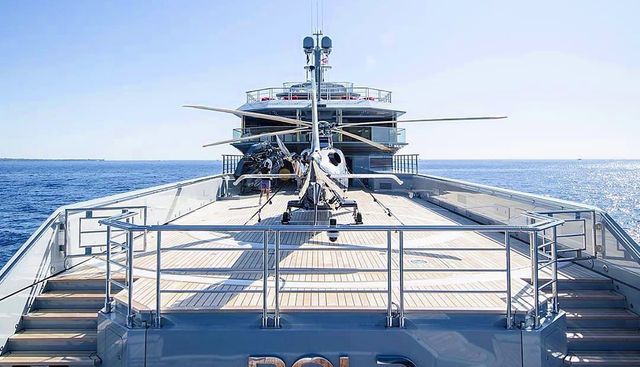

Part III: Strategic Outlook – The Future Trajectory of Global Yachting

Synthesizing the preceding analysis allows for a forward-looking assessment of Dubai's strategic position within the global yachting industry and the broader trends that will shape the market's future.

3.1 Dubai's Unique Value Proposition: A Complementary Global Hub

The evidence overwhelmingly indicates that Dubai has successfully carved out a distinct and sustainable niche in the global yacht charter market. It does not function as a direct competitor to the French Riviera for the ultra-elite, week-long cultural vacation, nor does it challenge the Caribbean for the immersive, nature-focused sailing adventure. Instead, its value proposition is that of a year-round, accessible, urban maritime playground.

Dubai is positioned as an ideal hub for short-term luxury experiences, a premier global destination for water-based corporate events, and a convenient stopover for superyachts transitioning between the Mediterranean and the cruising grounds of Asia and the Indian Ocean. In this capacity, Dubai's market is largely complementary to, rather than a replacement for, the traditional yachting hubs. It has expanded the overall definition of what a yacht charter can be, attracting a new and broader audience to the market.

 Read More:

yacht Rental Dubai  

3.2 Navigating the Tides of Change: Sustainability and Technology

The global yachting industry is at a technological inflection point, with a significant push towards greater sustainability and advanced digital integration. Key trends include the development of hybrid and fully electric propulsion systems, the integration of solar power, the use of sustainable construction materials, and the adoption of smart technologies like AI-enhanced navigation and IoT-based monitoring systems.74

Dubai is exceptionally well-positioned to become an early adopter and global showcase for these innovations. The city's overarching brand as a "city of the future" and its focus on technological leadership align perfectly with the integration of cutting-edge, sustainable maritime technology.29 Government-led initiatives such as the Dubai Reef project, one of the world's largest marine reef development projects, demonstrate a clear commitment to marine sustainability that can be leveraged as a powerful brand pillar.29

The motivation for adopting these technologies may differ by region, which in turn will affect the pace and nature of their implementation. In heritage destinations like the Caribbean and the French Riviera, the drive for sustainability is often a defensive necessity. Regulations to protect vital natural assets like seagrass beds and coral reefs are about preserving the very environment that attracts clients in the first place.36 The push is driven by conservation. In Dubai, however, sustainability is also a proactive branding opportunity. As a city that has literally built its environment, adopting the latest hydrogen fuel cells or showcasing the newest solar-powered yachts is not about preserving an ancient ecosystem but about reinforcing its image as a hyper-modern, forward-thinking global leader. This dynamic suggests Dubai may leapfrog older destinations in showcasing the most advanced green technologies, using sustainability as a key component of its luxury marketing strategy.

3.3 Strategic Forecast: The Unbundling of Luxury and Future Growth

Dubai's accessible, hourly rental model represents a significant trend in the luxury market: the "unbundling" of the traditional, week-long, all-encompassing superyacht charter. It effectively separates the on-water experience from the associated costs of accommodation, multi-day provisioning, and extended travel, making a slice of the luxury lifestyle available to a much wider audience. This trend of micro-charters and day charters is already gaining traction globally among younger demographics in coastal urban areas like Miami and Barcelona.82

This model has the potential to influence the development of other urban yachting hubs worldwide and dramatically expand the total addressable market by lowering the barriers to entry in terms of both cost and time commitment. For Dubai, future growth opportunities are abundant. These include further developing its dominance in the corporate MICE (Meetings, Incentives, Conferences, and Exhibitions) market on the water, leveraging its status as a global aviation hub to market "stopover" yacht experiences to transit passengers, and cementing its reputation as a leader in "smart" and "green" yachting technology.

However, this growth trajectory is not without potential challenges. The high density of operators that drives affordability could lead to market saturation and damaging price wars, potentially compromising service quality and safety standards. Maintaining a consistent five-star service experience across a high volume of disparate operators will require continued regulatory oversight and robust training standards. Finally, the environmental impact of a high-traffic urban waterway will necessitate a continued and deepening commitment to the sustainable practices and technologies that are poised to define the future of yachting.

I, Obaa Izuchukwu Thankgod is a passionate and creative blogger with a strong dedication to storytelling, digital communication, and online engagement. I uses my platform to share inspiring, inform…

Post a Comment